BBC Hires Debt Collectors to Crack Down on Licence Fee Evaders
BBC Enlists Debt Collectors to Target Licence Fee Dodgers

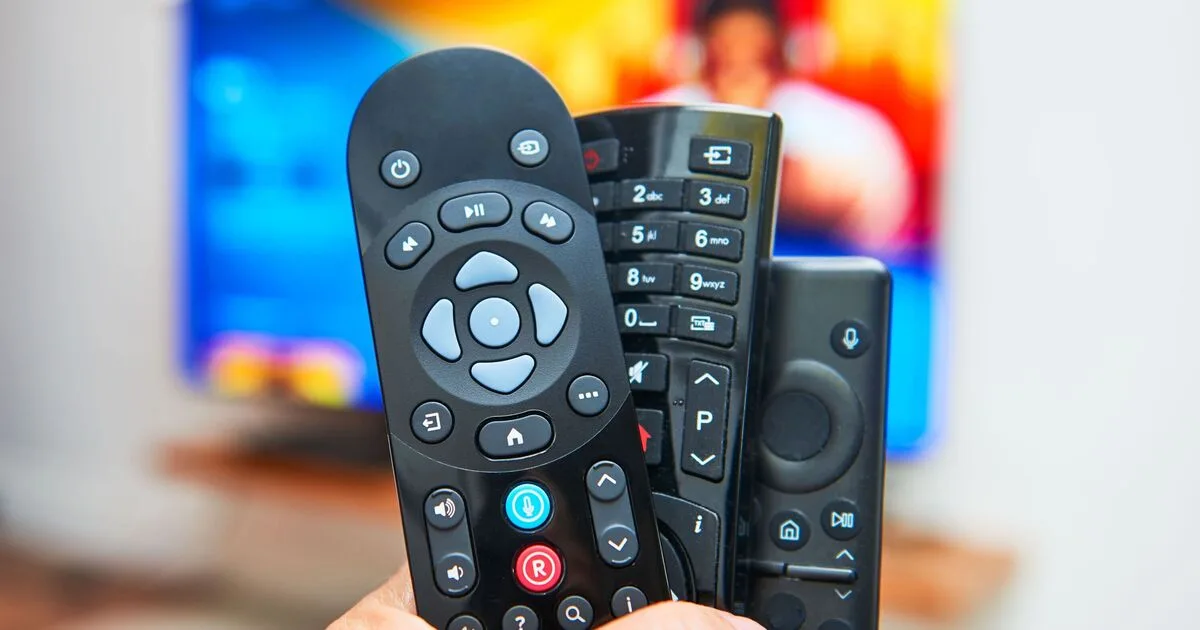
The BBC has enlisted debt collectors to enforce the television licence fee as part of a broader crackdown on individuals who evade payment. In November, the Daily Mail reported that one in eight households now claim they do not require a TV licence and refuse to pay, resulting in estimated losses of up to £550 million.

Rising Costs and Enforcement Measures

Over the past decade, the cost of the licence fee, which is mandatory for watching live television or using BBC iPlayer, has surged to £174.50. To catch evaders and boost funding, the BBC has contracted Themis Recoveries to work alongside Capita, a firm already employed to knock on doors for the broadcaster. Themis Recoveries, also known as Themis Global, is now responsible for distributing enforcement letters to households suspected of avoiding the fee. The firm describes itself as Britain's "leading customer engagement, retention and arrears management specialist."

Public Reaction and Viewing Trends

People have taken to social media to complain after receiving letters demanding payment, asserting that they do not watch live TV or BBC programmes. Meanwhile, Ofcom data reveals that fewer than half of those aged 16 to 24 watch broadcast television weekly, preferring platforms like YouTube. Even among over-55s, YouTube consumption has doubled compared to 2024.

Wide Pickt banner — collaborative shopping lists app for Telegram, phone mockup with grocery list

Last month, the BBC suggested that the cost of the TV licence could be reduced if more people paid the annual charge. The corporation noted that 94 per cent of adults use its services each month, but the number of households paying the licence fee has dropped to 80 per cent, a downward trend expected to continue.

Alternative Funding Models Under Consideration

The BBC is exploring controversial new plans that could require Britons to pay a licence fee to listen to its radio channels or access its news website. The corporation has been assessing alternative funding methods amid the decline in annual fee payments. Other options include extending the fee to charge viewers for streaming shows on external services like Netflix or ITV, or introducing a model where wealthier households pay more to subsidise the fee for lower-income families.

The fee rose to nearly £180 this year, the highest ever, but some bosses have complained that below-inflation increases in recent years have constrained them. They are lobbying for a new deal before 2027, when the royal charter governing the BBC is due for renewal. The future of the corporation will be decided under its 10th Charter review, which is currently underway. This could result in adverts on the BBC website and YouTube, as well as subscriptions or paywalls for some content.

Board Discussions and Public Sentiment

It is understood that one option discussed at a board meeting in February was to spread the cost of the licence fee by increasing the number of people required to pay it. This approach is hoped to raise more money overall while lowering the average cost per household. Currently, Britons must pay the licence fee only if they watch live television or any programme on BBC iPlayer. It is not required for tuning into BBC radio channels, listening to podcasts, or accessing the website.

Last year, several former BBC staffers spoke to the Daily Mail about why they stopped paying their licence fees amid a series of scandals at the broadcaster. Matthew Offord, a former Tory MP and ex-BBC employee, revealed that he stopped paying after leaving his position. He stated: "I stopped paying the licence fee in April, having struggled to do so for many years. I concluded that I would pay it while I was an MP, but when it expired, I could not bring myself to do so. I also withdrew all my pension contributions from the scheme at the BBC. The atmosphere was toxic when I was employed, but the continuing behaviour of individuals, the groupthink and the rejection of anti-Semitism in their reporting was too much for me."

Another former BBC staffer, Robin Whelan, 53, from Surrey, also ceased payment upon leaving the corporation. He said: "After many years of paying as a BBC staff member, I stopped. I took stock of what I actually used the BBC for. Its website, radio and a little catch-up."

Pickt after-article banner — collaborative shopping lists app with family illustration