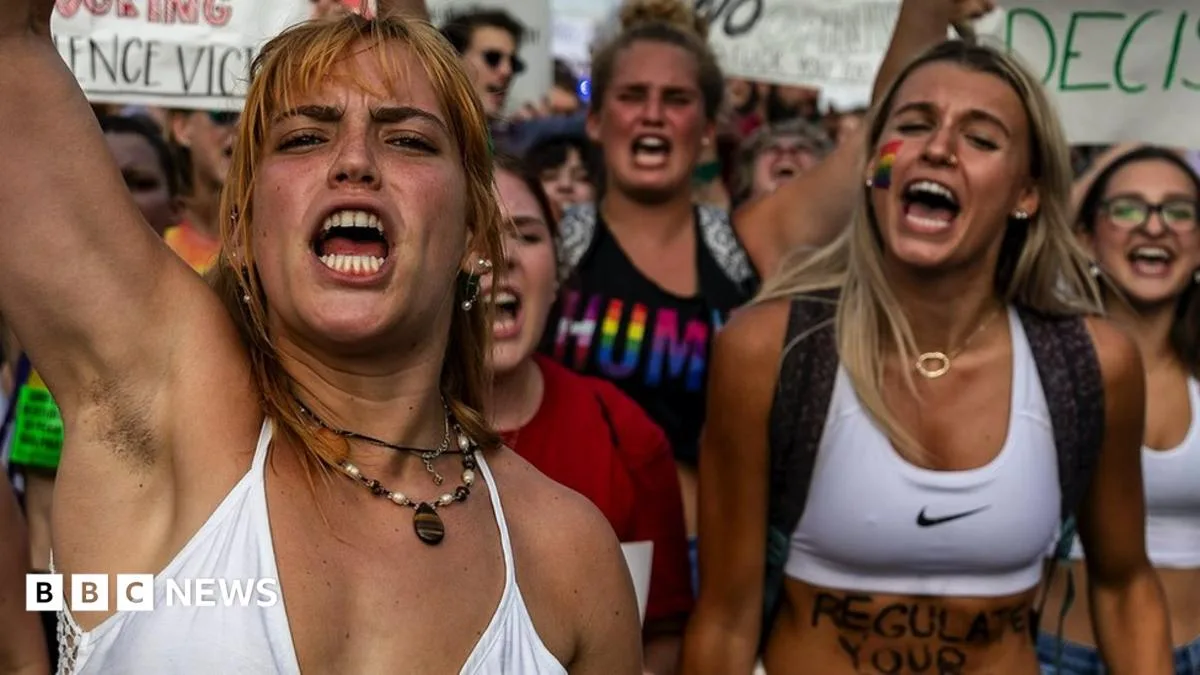
Women around the world are angrier than ever, according to a decade-long analysis of Gallup World Poll data by the BBC. The survey, which annually measures emotions across more than 150 countries, indicates that the gap in anger levels between women and men has widened significantly since 2012, with a particular spike around the pandemic.
In 2012, both genders reported similar levels of anger and stress. By 2021, women were six percentage points more likely to report feeling anger the previous day, and also more stressed. This trend mirrors findings from a 2020 Institute for Fiscal Studies survey in England, which revealed that mothers bore a disproportionate share of domestic responsibilities during lockdowns, often reducing their work hours even when they were the primary earners.
The disparity is even starker in some nations. In Cambodia, the anger gap reached 17 percentage points in 2021, while India and Pakistan recorded 12-point differences. Dr Lakshmi Vijayakumar, a psychiatrist in Chennai, attributes this to a conflict between rising female education and economic independence, and entrenched patriarchal systems. “The dissonance between a patriarchal system at home and an emancipated woman outside causes a lot of anger,” she said.

Such anger has found collective outlets. In the US, therapist Sarah Harmon organised a group of female clients to scream in a field in early 2021, a trend that went viral. Similarly, Tahsha Renee and her partner have hosted “sacred rage healing” sessions via Zoom, where women worldwide share and vocalise their frustrations. Both say they tapped into a deep, pandemic-fueled rage felt by many women.
Separately, a BBC-commissioned Savanta ComRes survey of women in 15 countries found that at least half in each nation feel more able to make their own financial decisions compared to a decade ago. In all countries except the US and Pakistan, at least half also believe it is easier for women to discuss consent in romantic relationships.