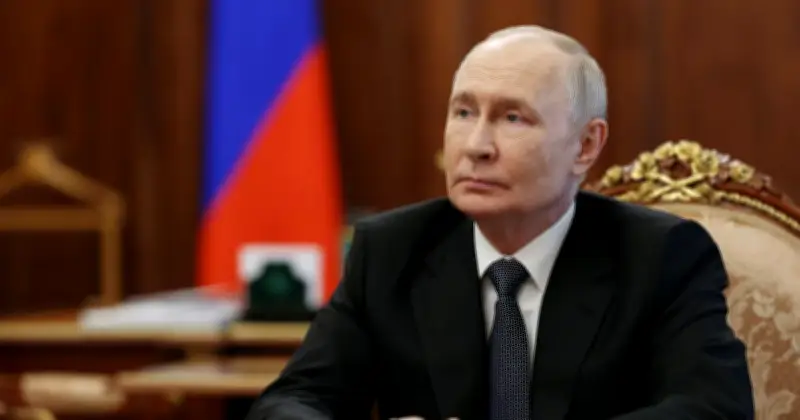
Vladimir Putin's approval rating among Russians has plunged at its fastest single-week pace since the invasion of Ukraine, according to new data from state-run pollster VTsIOM. The survey of 1,600 Russians, conducted between June 22 and June 28, shows Putin's job approval rating dropped to 66.9%, down from 70.4% the previous week. The percentage of respondents indicating disapproval of his handling of the presidency rose to 21.3%, up from 19.7%. His trust rating also declined notably, from 76.7% to 73.3%.
Fuel Shortage Drives Discontent
The latest figures coincide with a severe fuel shortage across Russia, triggered by widespread Ukrainian drone strikes on major oil refineries. Russia has been forced to implement fuel restrictions, including rationing and export bans. In at least 18 federal regions, including Moscow, St. Petersburg, and annexed Crimea, local governments have mandated limits on purchases at major stations like Rosneft, Lukoil, and Tatneft, typically capping between 20 and 60 litres per vehicle and banning sales to gas cans to prevent hoarding. In Crimea, state emergency measures have intermittently halted public petrol sales entirely, prioritising only emergency vehicles.
According to The Moscow Times, some experts say the decline is significant given that Russians are typically reluctant to speak candidly in these polls for fear of punishment if they express views critical of the government.

Historical Low and Independent Polling
Putin's lowest job approval rating since the start of the war was recorded in April, when it fell to 65.6% amid growing frustration over constant internet blackouts and restrictions on Telegram. This week's VTsIOM poll comes after independent pollster Levada Center released its own data showing Putin's approval rating plunging to 74% in June, down from 79% in May.
The state-run pollster last month stopped publishing results from an open-ended trust survey after that indicator fell to its lowest level since 2022.
Impact of Ukrainian Drone Campaign
Over recent weeks, Ukraine has conducted a highly coordinated, deep-strike drone campaign targeting Russia's domestic energy infrastructure, aiming to choke military supply lines and starve the Kremlin of vital war revenue. On June 16 and 18, the Moscow Oil Refinery was hit by successive waves of attacks, causing severe damage to its processing units. Industry sources report the refinery is crippled and will remain entirely offline for at least six months.
To stabilise the domestic market, the federal government has extended export bans and is reportedly negotiating with other countries, such as Kazakhstan, to purchase gasoline. Putin himself estimated Russia's total gasoline reserves at 1.7 million metric tons, a 4% decline from the same period last year.