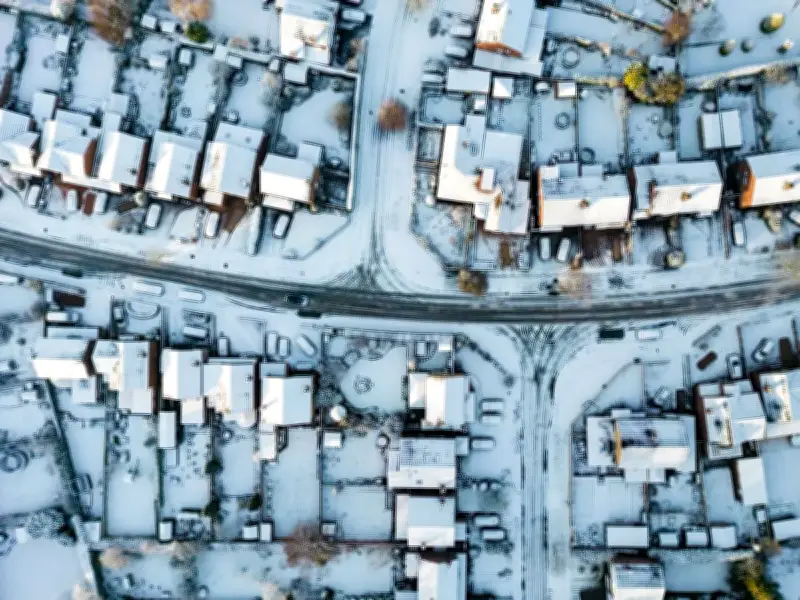
The UK Government has launched a "Be Ready" campaign urging households to stockpile supplies for three days in the event of an emergency. The guidance follows Defence Secretary Wes Streeting's recent warning that the country faces "a greater risk of war than at any point in my lifetime". Harsh winter weather is also anticipated due to the El Niño phenomenon occurring this year, which could leave certain parts of the UK particularly exposed.
Government Guidance on Emergency Preparedness
The Government stated: "From severe weather to cyber attacks, emergencies can disrupt the services you rely on. Being ready for three days helps you manage while support reaches those in need." The British Red Cross advised: "Emergencies can happen with little warning. Severe weather, flooding, power cuts and other disruptions can affect access to electricity, water, transport and communications, making everyday life at home more difficult."
An emergency kit "can help you become better prepared should disruption happen and feel more confident of how to react in an emergency". The Government called on people to ensure they have nine essential items at home, adding: "You don't need to do it all at once. Build up your readiness gradually over time by taking it step by step, and picking up an extra item or two when you can".
The Nine Essential Items
1. Water: The Government recommends having bottled water to last for three days, with three litres per person per day for drinking, although more would be needed for other tasks such as cooking and washing.
2. Food: Households should have enough non-perishable food for three days. The Government's website recommends: "Food with a long shelf life that doesn't need refrigeration or cooking e.g. tinned meat, fish or vegetables, dried fruit and nuts. It's best to buy food you'd usually eat."
3. Hygiene: Households should make sure they have extra hand sanitiser, wet wipes and bathroom products at home.
4. Light and warmth: A torch with spare batteries is essential, as well as blankets, sleeping bags and warm clothing. The guidance notes: "Homes can become cold very quickly when the heating goes off."
5. Communication and information: Having a radio as well as a charged power bank is recommended. The Government advised: "For updates during outages, write down frequencies of any national or local radio stations you use for news."
6. Money and documents: Households should have some cash, copies of IDs, and other important documents, such as passports and birth certificates. Cash is needed in case ATMs are not working. It is also advised to write down the contact details of the people you would need to contact in an emergency.