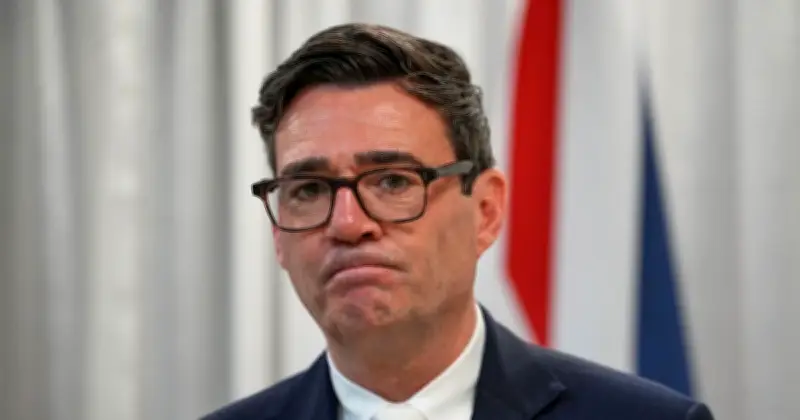
Rejoining the European Union would cost the UK almost £40 billion a year in contributions, according to new analysis, amounting to £750 million a week and dealing a blow to Andy Burnham's efforts to take Britain back into the bloc.
The figure applies the European Commission's own 2028 revenue forecasts for its next budget and proposed funding rules to UK data. It is nearly double the £19.1 billion gross contribution Britain made in 2016, which equated to more than £350 million a week. The data was published by the newly formed Stay Out campaign, which says the bill is higher for three key reasons.
Why the bill is higher
Firstly, the EU's budget is set to almost double to almost £2 trillion, with the European Commission forecasting it will need 1.26% of members' gross national income in 2028, against about 0.9% in 2019. The cost of servicing the EU's pandemic borrowing is also set to double, rising from £9.5 billion in 2027 to £22 billion in 2028.
Also, the Margaret Thatcher-negotiated rebate Britain held from 1985 would not return if the UK were to rejoin. The Commission has also proposed six new charges on member states, covering emissions trading, carbon-intensive imports, electrical waste, tobacco and large companies. If these are not agreed and the current rules remain, the UK's bill would rise to about £803 million a week, because more of the budget would be raised in proportion to national income.
Political reactions
The analysis comes ahead of a crunch EU-UK summit in the Belgian capital next Friday, where Mr Burnham is poised to sign up to closer ties with the bloc. The Labour leader has previously suggested that rejoining could be among the options for Britain's future relationship with Europe, and has said he would like Britain to be back inside the EU within his lifetime.
Oliver Lewis, chairman of Stay Out and former deputy chief negotiator for the UK during the Brexit negotiations, said: "The EU that Britain would be rejoining is more indebted, divided and expensive than the one we left, and on the Commission's own numbers it would cost us £750million a week, with no rebate."
"The bloc is also getting bigger, with Albania, Moldova and the western Balkans all in the queue to join, and Brussels wants Britain back in as one of the few countries rich enough to pay for it. The country has had enough of arguing about Europe, and it is time to move on and spend our money on our own priorities."
Lord Gove, former co-convener and chairman of Vote Leave, said: "Rejoining would mean handing back control of our laws, borders, money and trade, and paying a good deal more for membership than we did before. Families worried about their mortgages, energy bills and the weekly shop want a government that spends its time and their money on easing the cost of living. Sending £750million a week to Brussels would do nothing to help with any of this."
"Reopening this question would just commit the country to another decade of fractious negotiations and a return to the divisions we have spent years putting behind us, at the very moment people are desperate for Westminster to get on with delivering on their priorities."
Context and next steps
The intervention follows a major intervention by former prime minister David Cameron, who warned that rejoining the EU would be a bad idea. Lord Cameron also told Bloomberg that the UK should leave the European Convention on Human Rights, saying: "One of the reasons we've got such a problem with populism in our world is politicians of the centre-Right and centre-Left have not done enough to tackle illegal migration." He added: "We have to do whatever it takes to stop the small boats and to stop the illegal migration" that's "stopping us having a sensible conversation about lots of things".
Mr Burnham will head to Brussels next week to sign a new "reset" deal with the EU, originally negotiated by Keir Starmer. It will slash post-Brexit checks imposed by Brussels, which have made it difficult for British food producers to export to the bloc. In return, the Prime Minister will agree to permanently align with all EU regulations on food and farming, a process known as dynamic alignment, meaning the UK will have to adopt new EU regulations in the area as soon as they are passed by Brussels.
Mr Burnham is then expected to set out a range of options for Britain's future relations with the EU, including rejoining the single market or going back into the Brussels club. Meanwhile, a major study has found that Britain will be forced to adopt a new EU regulation every 12 hours under the reset plans. The report by the House of Lords European Affairs Committee found that the deal is likely to require the UK to adopt "at least 780 pieces of EU law" each year.