Reform UK has vowed to end taxpayer-funded translation services for non-English speakers in Kent, saying a "blank cheque" approach must come to an end. The move follows a motion passed by Kent County Council (KCC) earlier this month, which calls for a review of the situation as a first step to "challenge the 'nanny state' assumption that the local taxpayer should cover every cost."
New policy on translation and interpretation
Under the plan, translation and interpretation will only be funded where legally required, and non-English speakers will need to pay for other services themselves. British Sign Language and Braille provision will remain in place.
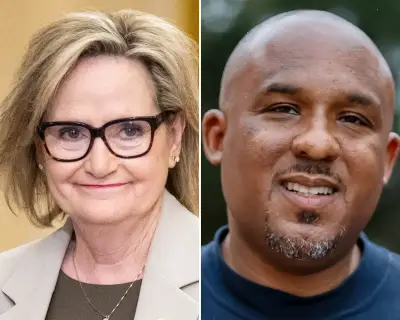
Reform UK runs KCC, and the motion was put forward by two of its councillors, Sarah Emberson and Garry Sturley. Cllr Emberson said: "This is a massive win for the hard-working taxpayers of Kent. KCC is an English local authority, and our default position must reflect that. With mass migration placing an ever-growing strain on our public services, we cannot simply write a blank cheque for translation demands."
She added: "By passing this motion, Kent is making a pragmatic, common-sense stand. We are encouraging individual responsibility, safeguarding front line services, and sending a clear message that learning and speaking English is vital to participating in our community."
Costs and justification
There is no formal record of cost for translation and interpretation in Kent, but the "identifiable" spend for the last 12 months was £183,000. Some of this would have been for British Sign Language and Kent Deaf Interpretation Service support.
Cllr Sturley, who seconded the motion, said: "At a time when our council budgets are squeezed to the absolute limit, every single penny of taxpayers' money must be justified. It is entirely unreasonable to expect the people of Kent to pick up the bill for services that can easily be managed via modern smartphone translation apps or private means."
He added: "We are proud to have pushed this through today, while ensuring that crucial provisions like British Sign Language and Braille remain completely unaffected."
Opposition criticism
The motion was branded "blatantly discriminatory" by opposition councillors from the Liberal Democrats and the Green Party. Liberal Democrat leader Cllr Antony Hook said the premise was "fundamentally ugly" and an "empty political stunt." He said: "This sends a terrible signal about Kent to the wider world. Kent is not an insular backwater.
"We are the UK's gateway to Europe, home to major international ports, world-class industries, and an economy striving to attract global investment and tourism. Telling the world that Kent wants to be rigidly monolingual and less welcoming to people who speak English as a second language actively damages our county. Global businesses looking to invest and create well-paid jobs will simply look elsewhere."
Green Party member Paul Stepto said: "The measures proposed in this blatantly discriminatory motion would make life more difficult for residents whose mother tongue is not English. Furthermore, they could lead to administrative errors, wrong decisions and poorer outcomes in social care, SEND or home to school transport cases.
"I'm also concerned that the measures would contravene the Equality Act, leaving KCC at risk of costly legal action that would probably negate any potential savings."
Context of migration crisis
Kent has been at the forefront of the immigration crisis, with thousands of migrants using small boats to reach its beaches from France every year. Between January and the end of October 2026, 22,128 crossed the English Channel this way, the vast majority arriving on the country's coastline.
Migrants do not all stay in the area of their arrival but are dispersed around the country with costs split between councils and central Government. For example, a £1.2 million bill for translation and interpreter services for unaccompanied asylum-seeking children in Kent would have been paid, wholly or in part, by the Home Office.