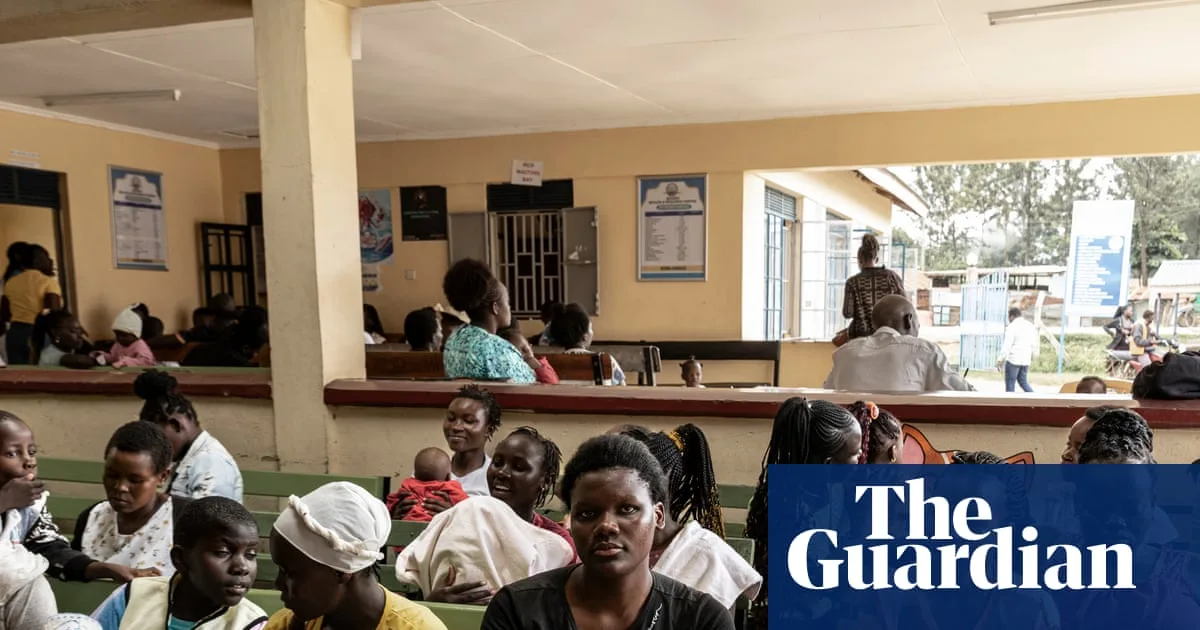
An investigation has found that Kenya's new AI-driven healthcare system, a flagship policy of President William Ruto, is systematically overcharging the country's poorest citizens while undercharging the wealthiest. The system, launched in October 2024, uses a predictive machine learning algorithm to calculate health insurance contributions through means-testing.
President Ruto had promised "no Kenyan will be left behind" during his campaign, aiming to expand coverage to the 83% of the workforce in informal employment. However, the algorithm has been criticised as flawed and opaque. Reporters from Africa Uncensored, Lighthouse Reports and the Guardian obtained details of the algorithm and found it overestimates incomes of the poor and underestimates those of the rich.
Grace Amani, a registration officer working in Nairobi's poorest neighbourhoods, said many families are charged between 10% and 20% of their meagre incomes. She has seen critically ill people unable to access treatment because they cannot afford the premiums set by the system. "People are dying at home," she said.
David Khaoya, a health economist who advised the health ministry, said the government chose to prioritise accurate assessments for the wealthy over the poor when faced with system constraints. Social media is flooded with complaints from Kenyans facing unaffordable bills, with one single mother seeing her monthly contribution set at 3,500 Kenyan shillings.