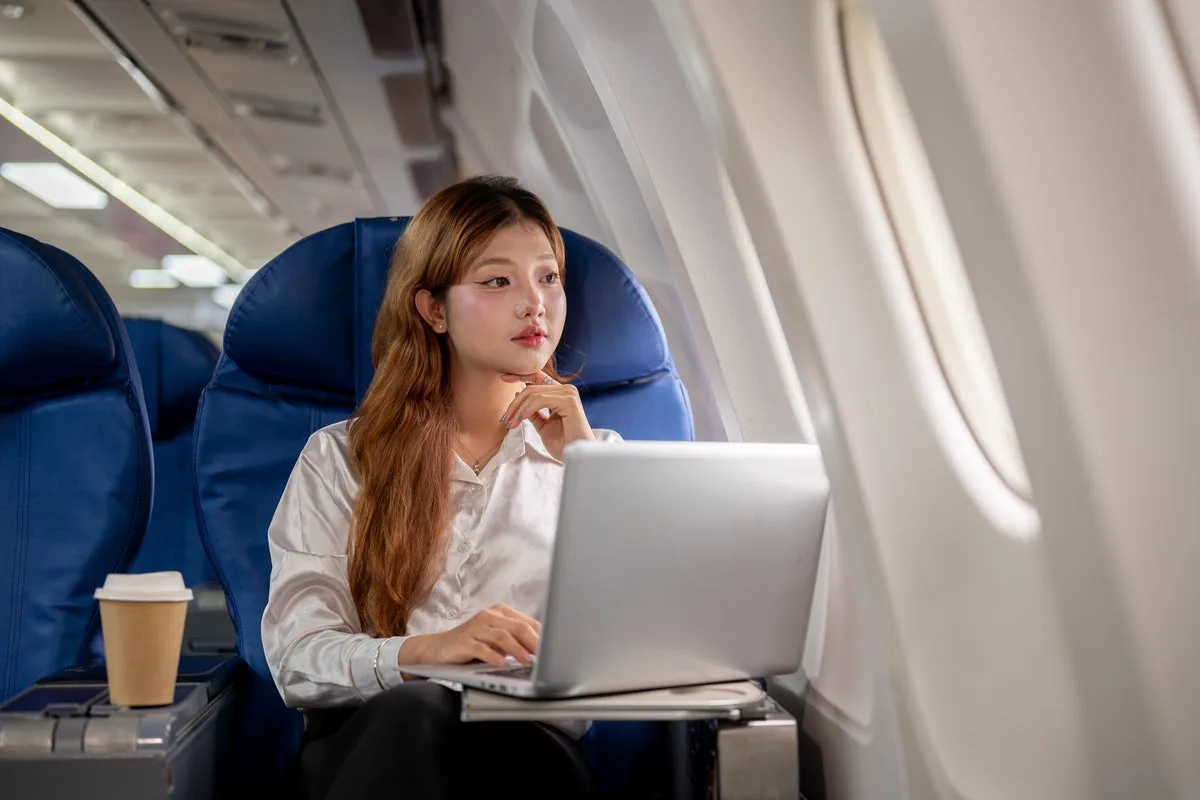
Airlines are legally permitted to downgrade passengers, as comedian Jim Breuer recently discovered. In a YouTube video, Breuer described his frustration at being moved from first class to economy on an American Airlines flight from Honolulu to Florida. The downgrade was to accommodate the flight crew, who are operationally critical and must adhere to fatigue rules, obligating the airline to place them in premium seats.
American Airlines’ terms and conditions state that the carrier makes “every effort to ensure you get your chosen seat, but seat assignments are not guaranteed.” By purchasing a ticket, passengers technically agree to potential downgrades. Other common causes include broken seats, last-minute aircraft swaps with different cabin configurations, reassignments from earlier cancellations, and overfilling of premium cabins.
To safeguard a premium seat, passengers can acquire top-tier loyalty status, as frequent fliers are less likely to be moved. Flying earlier in the day reduces the risk, as cabin reconfigurations are more common later due to disruptions. Checking in early and booking on larger aircraft with more seats also help.
If downgraded, US carriers must refund the fare difference, even on non-refundable tickets. Passengers should be aware of their rights and take proactive steps to minimise the risk of involuntary downgrades.