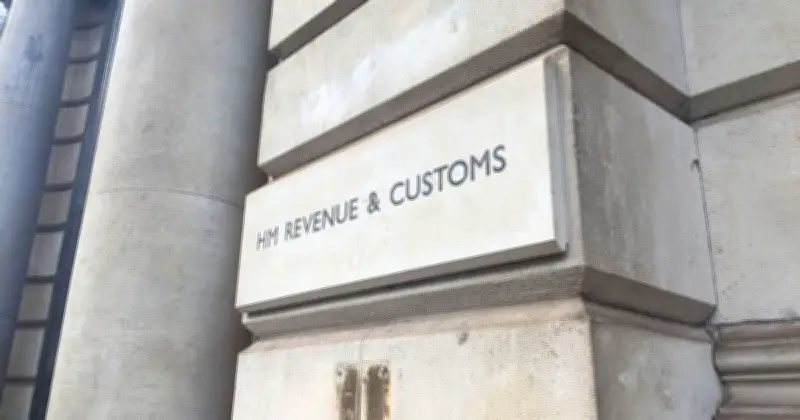
Taxpayers could soon be required to provide their artificial intelligence (AI) chatbot conversation histories to HM Revenue & Customs (HMRC) under proposed new rules aimed at identifying tax evasion. The measure is part of the Budget Bill, which is set to become law in May.
Expanded powers over digital records
The tax authority's existing powers to request computer records to verify tax payments could be broadened under the legislation. The proposals may also compel third parties, including AI platforms and software providers, to share taxpayer information with HMRC, as reported by The Telegraph.
Individuals who fail to respond to a formal information notice from HMRC would face a penalty of £300. This could increase to £3,000 for taxpayers who do not report inaccuracies.
Privacy concerns raised
Some have voiced concerns about the proposals. Anne Strickland, a researcher at the TaxPayers' Alliance, said: "Forcing taxpayers to hand over private AI conversations would be a deeply intrusive overreach by the taxman."
She added: "HMRC already has sweeping powers, and expanding them further risks trampling over the privacy of ordinary Britons."
Andy Wood, Tax Barrister at Tax Barrister UK, told the Express: "The suggestion that HMRC could examine taxpayers' AI conversations understandably raises privacy concerns.
"However, the proposed changes do not give HMRC an unrestricted right to read everybody's chat history. They modernise its powers over digital information, including information about how tax figures have been produced, while retaining the requirement for a lawful basis to obtain it."
Limits on information requests
Wood emphasised the importance of the phrase "reasonably required," noting that HMRC must justify why information is needed to check a taxpayer's tax position. He said that using an AI tool alone does not justify a demand for an entire conversation history.
He added: "Context is also essential. A conversation might explore a hypothetical transaction, test competing interpretations of the law or consider an idea that was subsequently abandoned. Asking how a transaction would be taxed is not the same as admitting that the transaction occurred. HMRC should not mistake exploratory questions for statements of fact."
Wood also raised practical concerns about requests directed at third parties holding the information, noting that providers may find compliance easier and cheaper than dispute. He said: "Modernising information powers is understandable. Turning a targeted tax check into a general examination of someone's private digital life is not."
A spokesperson for HMRC said: "This is about updating our existing information powers to reflect how tax information is now stored and processed digitally.
"It is not about going through everyone's use of large language models. We can only request information where we already have a lawful basis to do so."