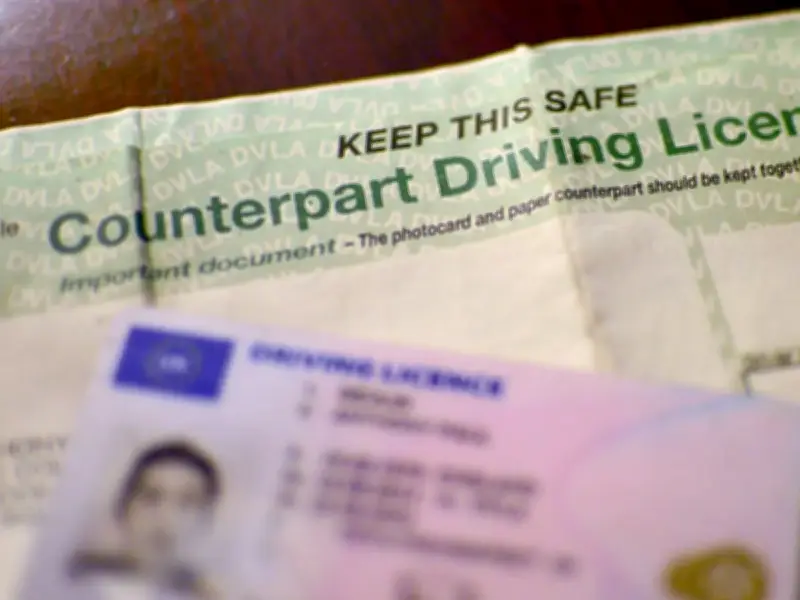
The Department for Work and Pensions (DWP) is using new powers to revoke the driving licences of benefit claimants from November. The government department now has the authority to remove people claiming benefits from the roads.
It forms part of a sweeping crackdown on benefit fraud and debt, with officials granted extensive new powers in a bid to recoup public funds. The controversial powers came into effect in October.
Bank accounts and direct withdrawals
They permit officials to examine bank accounts and even make direct withdrawals, reports Birmingham Live. Banks will be forced to comply with DWP requests for information.
They will be scrutinising details such as the amount held in savings or any additional income that has not been declared. Officials can also suspend the driving licences of those who are not engaging with the process or repaying what they owe.
Identifying undeclared savings
Banks will be directed to identify benefit claimants who may have concealed or undeclared savings. This is a significant contributing factor to benefit fraud, whereby claimants hold considerably more in savings than they disclose when making benefit applications.
The DWP is also seeking to identify claimants who have spent longer abroad than regulations permit while continuing to receive benefits. The powers can be applied to claimants of Universal Credit, Pension Credit and Employment and Support Allowance (ESA).
Minister's statement
Minister for Innovation, Fraud and Debt Lilian Greenwood said: "Benefit fraudsters should be looking over their shoulder. These new powers will help us crack down on those who deliberately abuse the system, while ensuring people receive the right support at the right time.
"We are not interested in where people do their weekly shop or how much they're spending on new clothes. Banks will simply be asked to identify if somebody may no longer meet the rules for the benefits they receive, allowing us to investigate further where necessary."
With £1.2 billion in savings expected by 2030/31, this is a major step forward in tackling fraud and error, protecting public money and ensuring support goes to those who genuinely need it.