The Department for Work and Pensions (DWP) has confirmed that Personal Independence Payment (PIP) rates will rise next year, with working-age and disability benefits increasing by 3.5% from April 12. The enhanced daily living component will rise to £118.60.
PIP is a UK tax-free, non-means-tested welfare benefit designed to help individuals with extra living or mobility costs caused by a long-term physical or mental health condition or disability. A total of 4.09 million people were entitled to claim PIP as of July 31 2026, according to data published recently by the DWP.
New PIP rates for 2027-28
The new rates, published by the DWP, will apply in the tax year 2027-28 and mainly come into effect from April 12 2027. The daily living component will increase from £114.60 to £118.60 for the enhanced rate and from £76.70 to £79.40 for the standard rate.
The mobility component will rise from £80.00 to £82.80 for the enhanced rate and from £30.30 to £31.35 for the standard rate.
State pension and other benefits
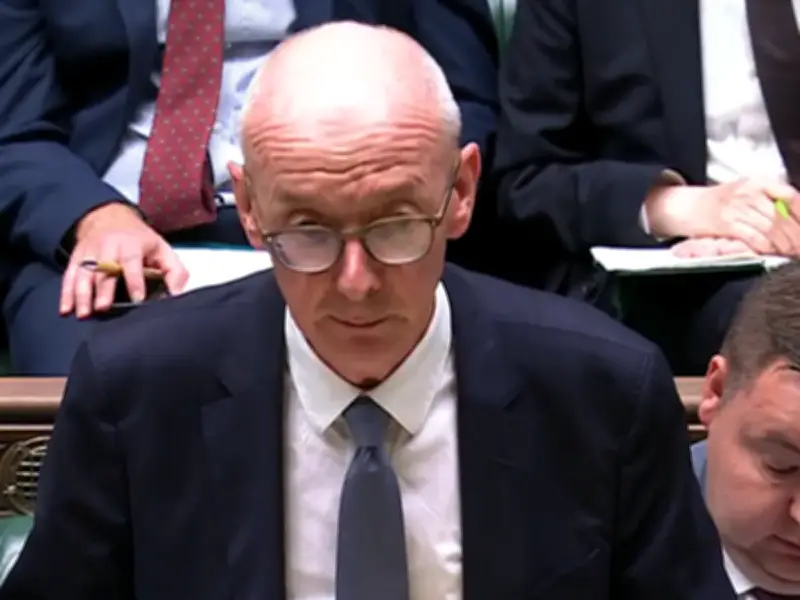
In a statement to Parliament after the budget, Pat McFadden, Work and Pensions Secretary of State, said: “The new rates will apply in the tax year 2027-28 and will mainly come into effect from April 12 2027.”
McFadden also announced that the basic and full rate of the new state pensions will increase by 3.9%, in line with the increase in average weekly earnings in the year to May-July 2026. This delivers on the triple lock commitment to increase rates in line with the highest of growth in prices, growth in earnings or 2.5%. From April, the full annual rate of the new state pension will increase by around £490, and the full annual rate of the basic state pension will increase by around £375.
The standard minimum guarantee in pension credit will also increase by 3.9%, rising to £247.30 a week for a single pensioner and £377.40 a week for a couple. Other state pension and benefit rates covered by the statutory review will increase by 3.5%, in line with the increase in the consumer prices index in the year to September 2026. This includes most working-age benefits, benefits for additional needs arising from disability, statutory payments including sick pay and maternity pay, and additional state pension. The pension credit savings credit maximum amount will also increase by 3.5%.
Disability benefits review
This autumn, a Government-commissioned review into the costs and operation of the disability benefits system is set to be published. The review, led by social security minister Sir Stephen Timms, branded the system “no longer fit for purpose” in its interim findings in July.
Ministers are expected to lay out their response to the Timms review into disability benefits reform, and the Milburn review into getting more Neets into work, in the coming weeks. Some assessments have said that giving people cash should be reconsidered.
The Institute for Fiscal Studies (IFS) report on reforming PIP, on replacing cash with ‘in kind’ help, said: “A particular advantage of cash is that it enables claimants to choose how to spend the benefit (and they could, for example, spend it on social care or healthcare). It is less obvious that cash is the right form of support if the goal is to address reductions in well-being arising from disability. If cash was very effective at improving well-being, we would expect PIP recipients with high incomes to be much less likely to report low life satisfaction than PIP recipients with low incomes.”