A £6 billion plan to get more young people into work is unlikely to deliver any savings within the next ten years, according to its own backers, raising the prospect that pensioners could be targeted for welfare cuts instead.
Former New Labour minister Alan Milburn has been tasked with reducing the number of young people not in education, employment or training, known as Neets, which currently stands at more than one million. Milburn is promoting the plan enthusiastically, but it won't help, and he admits it will cost £6 billion and bring no savings in the next decade.
Previous attempts have flopped
History suggests he is right. Previous government-backed attempts to generate jobs and cut the welfare bill have flopped, costing a fortune and delivering little. This will go the same way.
There is another problem. When former prime minister Keir Starmer tried to cut welfare benefits by £6 billion, rebellious Labour backbenchers forced him into a humiliating U-turn. He had lost control over his own party and was doomed thereafter. Now the same backbenchers are rebelling again, using the same techniques.
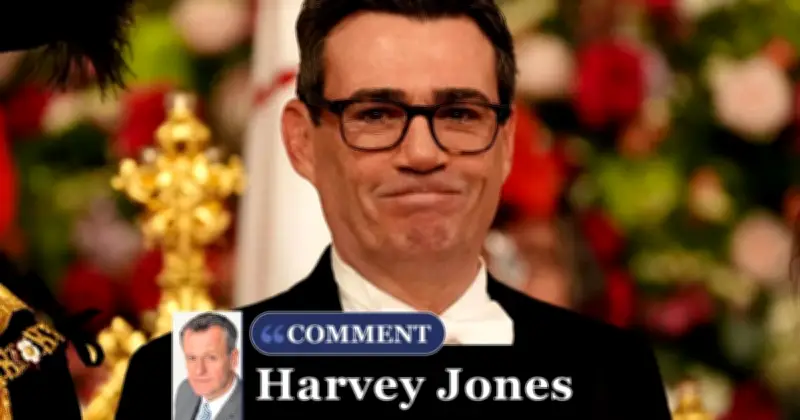
Andy Burnham is already backtracking on the proposals. In practice, youth unemployment is more likely to rise than fall, and the number of Neets will grow. Labour has itself to blame.
Policy blamed for rising unemployment
Chancellor Rachel Reeves cooked up a disastrous £25 billion jobs tax that made young people costlier to hire, as did her inflation-busting minimum wage hikes. The result is that unemployment is up more than 100,000 in a year.
Angela Rayner chipped in by giving young workers so many opportunities to slack off and sue their own employers that small businesses won't take a chance on them. Even Milburn has admitted Labour policy has made his job harder.
The fastest way to create real, sustainable jobs is to cut red tape, regulations and employment taxes, and encourage private businesses to create proper jobs, not government-funded fake ones. But Labour won't do it, because they hate the private sector.
Pensioners in the firing line
On the Left, there is growing anger about what they see as Milburn's assault on the young. They think the under-25s have been singled out as a specific problem and want the Government to turn its fire elsewhere, namely onto pensioners.
Britain currently spends a staggering £334 billion a year on welfare. That figure is set to rise to an unsustainable £431 billion by the 2030/31 tax year. That figure doesn't just cover working age benefits, but the state pension too.
The DWP defines the state pension as a benefit, not an entitlement. It currently costs £146 billion a year, around 44% of the entire welfare bill. As the population ages, that percentage is set to rise.
Time and again, the Left has called for pensioners to take the burden of welfare cuts, rather than young people. Burnham won't take much persuading. His first bold political decision was to say he would scrap the state pension triple lock in 2030 if he wins the next election.
There was no Labour rebellion against his plan to attack the triple lock. It is the only spending cut they haven't criticised, quite the reverse. They are cheering him on, which will make it a lot easier for Burnham to go down the pensioner route.
The benefits bill has to be cut one way or another, but Labour's left is pushing for pensioners to take the hit, rather than youngsters. In other words, cut payments to people who have contributed for decades, to safeguard funding for those who have never worked or paid in a penny of tax in their lives. Milburn's reforms won't save a penny, even if they succeed. Cutting the triple lock will. Pensioners had better watch out.