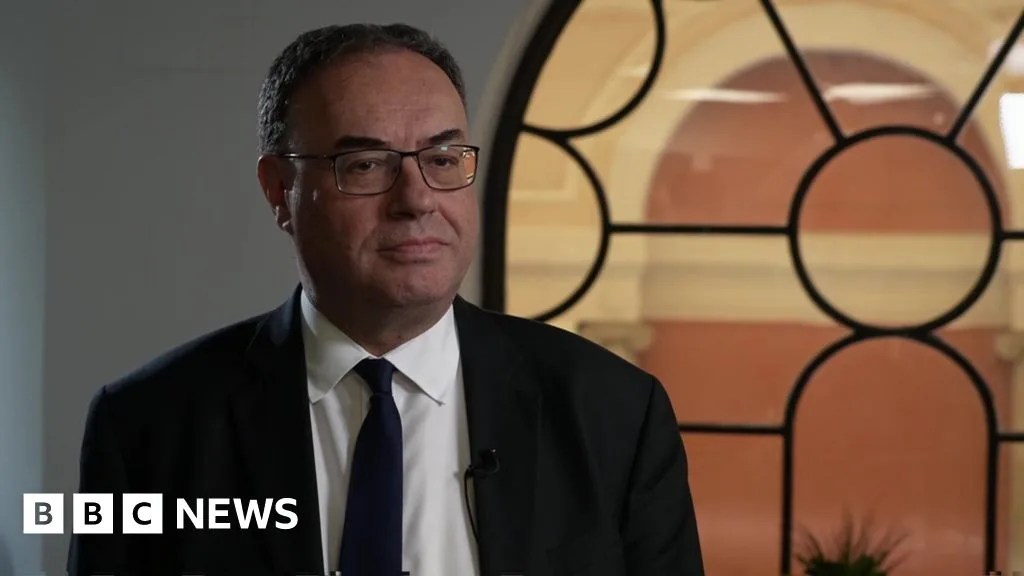
The Governor of the Bank of England has stated that tolerating inflation above the official target for a period is an appropriate response to the current economic weakness and uncertainty. Andrew Bailey, speaking to an audience in Reykjavik, Iceland, argued that reacting too hastily to rising prices could create undesirable volatility in the economy.
Bailey's Remarks on Inflation Tolerance
Mr Bailey explained that given the softness in the real economy and the uncertainty surrounding the scale and duration of the economic shock, allowing inflation to temporarily exceed the 2% target can provide necessary support. He said: “Given the context of softness in the real economy and uncertainty around the scale and duration of the shock, tolerating temporarily above target inflation to provide some support for the real economy is an appropriate way to approach the trade-off.” However, he cautioned that this tolerance would diminish if signs of second-round effects, such as wage-price spirals, begin to emerge.
Current Inflation and Interest Rates
The Government mandates the Bank of England to maintain consumer price inflation at 2%. At its latest meeting in April, the Monetary Policy Committee (MPC) voted to keep interest rates at 3.75%, despite forecasting an increase in inflation in the coming months. According to the Office for National Statistics, inflation stood at 2.8% in April.
Mr Bailey noted that inflation is likely to rise further this year due to rising utility bills and businesses passing on higher costs through supply chains. He added: “There is nothing monetary policy can do to prevent higher energy prices from affecting businesses and households. For net importers of energy like the UK, the terms of trade have worsened and real incomes will fall. The shock will push up inflation, and weigh on activity.”