Investors have warned that a Labour leadership contest that ignores public finances and market realities could trigger a bond market meltdown similar to Liz Truss's 2022 crisis. As Keir Starmer faces a potential challenge, the yield on 30-year UK government bonds briefly hit 5.8% on Tuesday, the highest since 1998, before easing.
Nigel Green, CEO of deVere Group, said: 'Markets hate uncertainty, but they hate a political vacuum even more. A cabinet resignation followed by a leadership fight would signal that the government is losing control of itself while investors are already questioning the country’s fiscal direction.' He added that markets recoil from programmes implying materially higher borrowing without a credible growth engine.
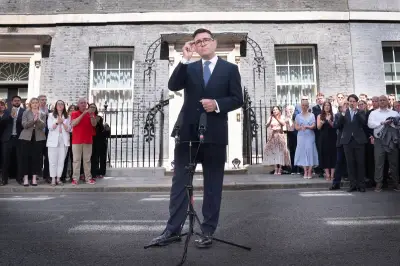
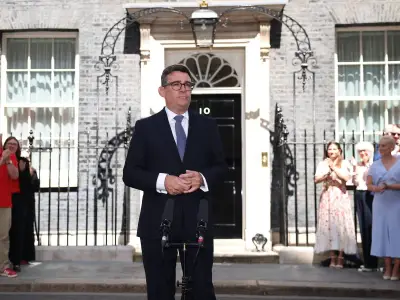
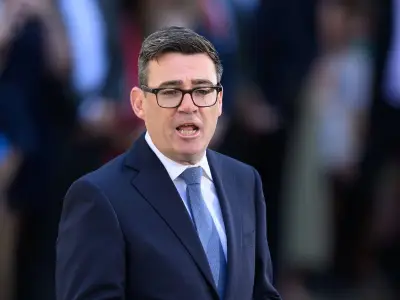
Some Labour MPs appear willing to test the City's warnings. Paula Barker, an ally of Andy Burnham, suggested financial markets would 'have to fall into line' if Burnham reached Downing Street. Diane Abbott said MPs 'might as well go home' if bond market considerations trumped other priorities.

Reto Cueni, chief economist at Syz Group, said: 'If the political leadership change or opt for substantially more fiscal loosening, the risk is high that we would see another Liz Truss moment.' Britain's national debt stands at almost 100% of GDP, the highest since the 1960s, and debt interest costs already absorb about £1 in every £10 of Treasury spending.
Goldman Sachs analysts noted that any successor would face the same challenges: 'Policy choices will remain constrained by the challenging backdrop of rising spending pressures and an already elevated tax burden irrespective of any changes in leadership.' Mark Dowding of RBC BlueBay warned that rising debt costs could become a very material element of tax revenues and government spending.