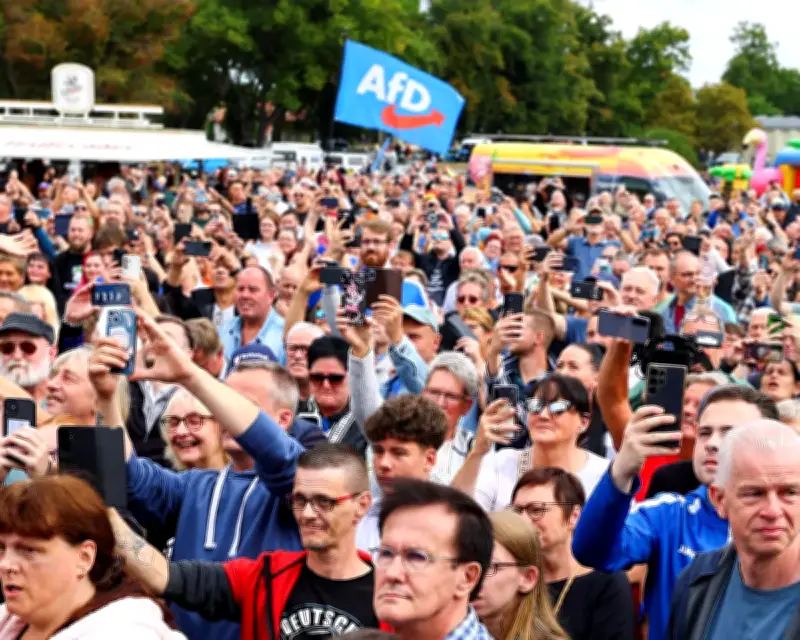
The far-right Alternative for Germany (AfD) made significant gains in recent state elections in two eastern German states, a result that reflects deep-seated frustrations among former East Germans about economic and political inequality.
In the elections held on Sunday, the AfD became the strongest party in both states, a historic first for the party in eastern Germany. The results underscore a growing divide between the east and west of the country, where many easterners feel left behind by reunification.
Roots of Discontent
Many East Germans express frustration over lower wages, higher unemployment, and a perceived lack of political representation compared to the west. The region has also seen a rise in anti-immigrant sentiment, which the AfD has capitalized on.

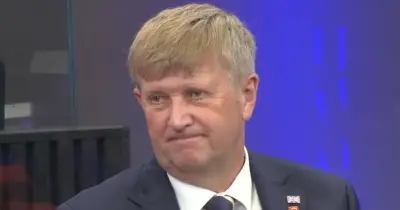
The article's author, a former East German, notes that the AfD's success is not merely a protest vote but a genuine expression of anger among those who feel their concerns have been ignored by mainstream parties.
Political Implications
The results pose a challenge to the federal government in Berlin, which has struggled to address the east-west divide. The AfD's gains could complicate coalition building and increase pressure on Chancellor Olaf Scholz's government.
Observers warn that the results may embolden the AfD ahead of next year's federal elections, as the party seeks to expand its influence beyond eastern Germany.
The elections highlight a growing political realignment in the east, where traditional parties are losing ground to the far right. The author calls on fellow East Germans to reflect on the consequences of supporting a party that they see as undermining democratic values.