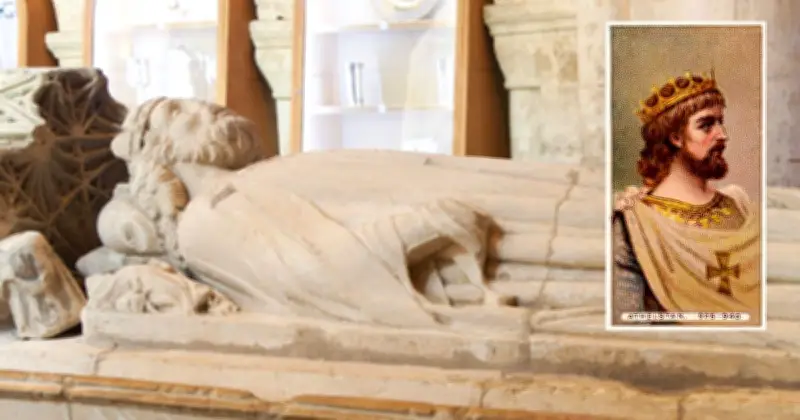
Next year marks 1,100 years since King Athelstan united the English, an anniversary that some MPs are calling to be marked with a public holiday. Political commentator Tim Newark argues the occasion is a prime opportunity to celebrate Englishness, noting it represents the birth of the nation and the start of its contribution to world history.
Athelstan, grandson of Alfred the Great, ruled the Anglo-Saxons when he united the separate kingdoms within England, including realms ruled by Viking invaders, to create the nation state in 927 AD. As the first proper king of the English, his achievement is remembered as the beginning of the national story, yet Newark points out there is no prominent public memorial to him and children are taught little about his success.
Englishness Under Attack
Newark claims it has become fashionable for left-wingers to deride the notion of Englishness, questioning its validity and describing the country as a mongrel state dependent on foreign cultures. He notes that when celebrating St George, people are mocked for being represented by Morris Dancers in funny costumes, which he says are far less vigorous than Irish, Scots or Welsh traditions.
He asserts that Englishness and English history created the national matrix in which Great Britain led the world in civilisation and enterprise. The English language, with its directness and elegance, is now the dominant business tongue worldwide and still electrifies the imagination in the works of Shakespeare, poetry and great novels, he writes. He also credits the rights and laws from Magna Carta onwards with giving parliamentary democracy to the rest of the world, adding that absolute rule of monarchs was overcome long before other nations.
Colonial Legacy and Liberation
When England became part of Great Britain in 1707, it gained new momentum and dynamism, establishing a global empire and giving birth to the Industrial Revolution, according to Newark. He argues left-wingers want people to be ashamed of this, blaming the nation for slavery as though it were unique to the British.
Newark welcomes the position of the East African country of Malawi, which he says rejects this blame-game by stating Britain should be celebrated for helping its countrymen become free from the horrors of the Arab slave trade that endured for more than a thousand years. He recalls learning history from Ladybird books focused on great British heroes, including Dr David Livingstone, now characterised by socialists as a Christian missionary colonialist. He notes Malawians recognise Livingstone as a key figure drawing attention to the Indian Ocean slave trade, and quotes Malawian Moses Mkumpha, now working to preserve colonial buildings: “Britain was not a coloniser; it was a liberator.”
Calls for a Public Holiday
Newark argues the island's history is something to be proud of, celebrating its progress from King Athelstan to Magna Carta, from the Industrial Revolution to the British Empire and the suppression of slavery. He says if the US can celebrate the 250th anniversary of its foundation in 1776 with overt pride, then the UK should do the same with a public holiday devoted to the Anglo-Saxon King.
He suggests a statue should be erected in a prominent part of the capital to be a focal point for such celebrations, perhaps on the fourth plinth in Trafalgar Square. He criticises the socialist government's initial response to the proposal, quoting the statement: “There are no plans at present for the Government to mark the 1,100th anniversary of the unification of England.”
Newark attributes such a response to a left-leaning educational system that wants people to be ashamed of the past, with the purpose of submission to a warped view of the world and the first stage being to undermine national heritage. He concludes that warrior King Athelstan should be the crusading figure in the fight to reclaim a bold and glorious history.