
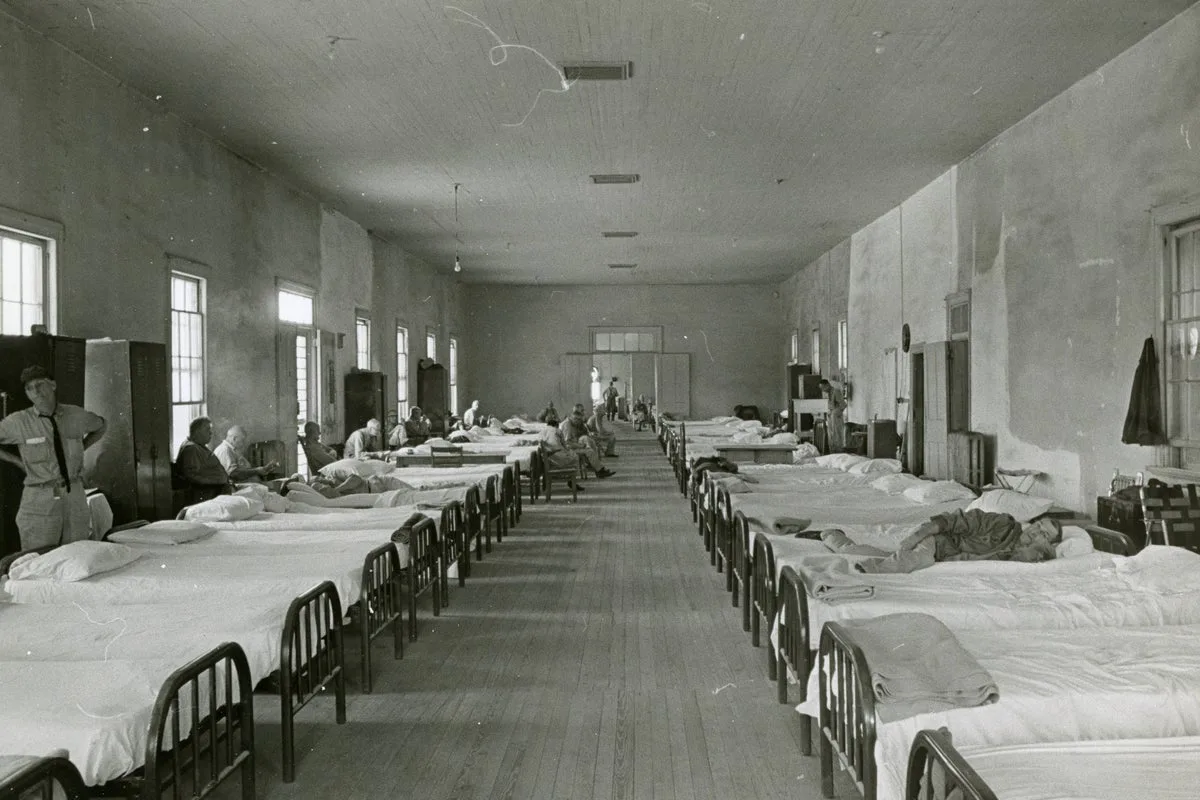
Breta Meria Conole spent more than two decades in a state psychiatric hospital, but the reason why remains a family mystery. Her great grandniece, Debby Hannigan, tried for years to access Conole's medical records, hoping they might shed light on mental health issues in her family, including her daughter's depression. Twice she wrote to New York state, even including a note from her daughter's therapist, but both times she was turned away.
Frustrated families across the United States have been pushing for law changes to allow release of mental health records of long-dead ancestors. Their efforts have led to policy changes in some states, such as Massachusetts and Washington, but elsewhere reforms are slow or non-existent. Doug Clarke of Alfred, New York, also failed to get his great-grandfather's records, which he believes could explain the depression and bipolar disorder in his generation.
In the 1800s, a boom in state institutions for people with mental illness occurred across the US, each state having at least one by 1890. These asylums, often brutal and overcrowded, housed patients for reasons ranging from 'brain fever' to 'desertion by husband'. Although conditions improved over time, practices like lobotomies and induced comas were later discredited. Hospital staff kept extensive notes, photographs, and other materials, according to Dr Laurence Guttmacher, former clinical director of New York's Rochester Psychiatric Center.
Despite damage and disorganisation, a wealth of information survives. Such records are of interest to families dealing with depression, suicide, or other issues. Dr Christine Moutier of the American Foundation for Suicide Prevention stressed the importance of knowing family medical history, likening it to knowing a grandfather died of a heart attack. Alexandra Lord, a historian writing about suicide in her family, struggled to access her great-grandmother's New York state records.
A federal law, HIPAA, protects patient health information for 50 years after death. Some states have similar guidelines—Ohio and Maine offer easier access after 50 years—but others are more restrictive. New York allows records to remain sealed 'in perpetuity', releasing them only to patients, immediate family, or medical professionals with justification. Dr Guttmacher received about two requests a month from family members but could not release the information.




