
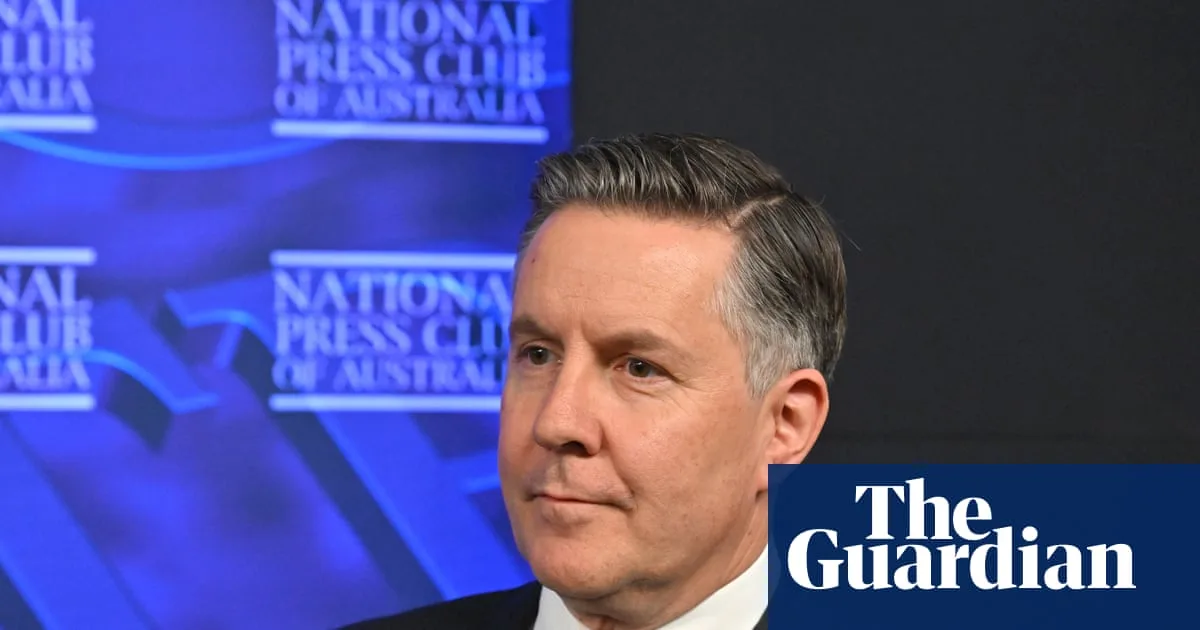
At least 160,000 Australians are expected to be removed from the National Disability Insurance Scheme (NDIS) by 2030 under a major overhaul announced by the Albanese government. Health Minister Mark Butler unveiled the changes on Wednesday, aiming to curb the scheme's spiralling costs and reduce its growth rate to 2% annually.
The government will tighten eligibility rules, reducing the projected number of participants from 900,000 to 600,000 by 2030. Currently, around 760,000 people are on the scheme. Butler said the NDIS, which costs $50bn a year, was growing too fast and needed to be sustainable. Without changes, it was on track to cost $95.8bn by 2034-35.
Under the reforms, more service providers will be required to register, particularly for higher-risk activities such as personal care and daily living supports. The NDIS budget is expected to be reduced to about $55bn by the end of the decade, down from a projected $70bn.
But the opposition, the Greens, and disability advocates have warned that vulnerable Australians could be left without care. Greens leader Larissa Waters accused the government of balancing the budget by selling the dignity of disabled people. Queensland's disability minister, Amanda Camm, said costs would be shifted to the states with little consultation.
Former NDIS minister Bill Shorten acknowledged the need for new support mechanisms for those removed from the scheme, stating that the NDIS cannot be the only lifeboat. Shadow NDIS minister Melissa McIntosh welcomed provider registration but stressed the need to prevent fraud and ensure no one is left without care.
The changes are expected to spark further disputes with states and territories, as well as parliamentary opposition from the Greens. Butler defended the decision, describing them as hard but unavoidable and urgent.




