The Home Office is still not housing asylum seekers in major council areas, fuelling fears Glasgow is being used as a “dumping ground”. Areas as vast as the Highlands are recorded as not housing anyone fleeing persecution as part of a national dispersal programme.
Private firm Mears is paid by the Home Office to find accommodation for asylum seekers across the UK. Solutions include providing housing in the community and putting people up in hotels, the latter of which is being phased out.
Seven council areas house no asylum seekers
Glasgow was for years the only council area north of the border to house asylum seekers, but dispersal has been extended amid concerns about the burden placed on one city. However, official figures for the end of March show that no asylum seekers are housed in Argyll and Bute, Highland, Moray, Na h-Eileanan Siar, Orkney, East Renfrewshire and Shetland.

The number of asylum seekers in dispersed accommodation in Glasgow stood at 3,489 while for the Edinburgh council area it was 49 and in Dundee 38. Dumfries and Galloway was listed as having no asylum seekers as part of the dispersal programme, but there is a hotel used in the region.
Per-head figures highlight imbalance
The numbers also show how many asylum seekers are housed by the Home Office for every 10,000 people in each council area. In Glasgow, the figure was 57.3, while in the Capital it was 2.6 and 2.5 in Dundee. The number per 10,000 people is fewer than 10 in over twenty nine local authority areas.
The figure for Scotland overall is 11.4, lower than the 25.9 in the North East of England, 24.7 in the North West and 18.8 in the West Midlands.
Critics have also said liberal SNP Government homeless laws have created additional pressures for Glasgow, which has seen a wave of racist protests. The abolition of the ‘priority need’ test means male asylum seekers in Glasgow who become refugees can access homeless assistance in the city. A row broke out earlier this year over plans to house up to 300 male asylum seekers at Cameron Barracks in Inverness, but after an outcry it was reported that the proposal was dropped.
Political reaction
Susan Aitken, the outgoing SNP leader of Glasgow council, said: “Full dispersal has been UK Government policy for a number of years now – but, in Scotland, there has been relatively little progress made on extending provision beyond Glasgow. The council has called on both governments to work with CoSLA to develop a national dispersal strategy, so that responsibility for asylum and refugee support is shared across the country.”
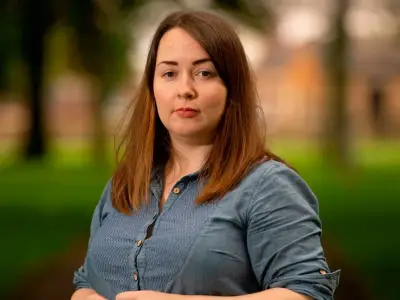
Scottish Labour MP Joani Reid, who is a member of Westminster’s Home Affairs committee, criticised the SNP Government: “Glasgow has a proud history of welcoming people fleeing persecution. Generosity towards those who need sanctuary is part of the city’s character. But the SNP are abusing that goodwill and Home Office attempts at getting to grips with the issue are too slow. These figures show Glasgow being used as a dumping ground, with more than 3,000 asylum seekers in the city while whole parts of Scotland take none. That is deeply unfair on Glasgow and reckless at a time when Reform is looking for grievances to exploit. Keep loading pressure onto the same communities and resentment will grow. The SNP are putting at risk the very tradition of welcome they are so quick to celebrate. Asylum seekers are being failed too. Many have fled war, persecution or serious trauma. They need to be housed responsibly, with access to proper support, rather than concentrated in communities already under pressure. Glasgow’s generosity should never have been treated as limitless. If we want to protect what makes the city proud, the responsibility has to be shared across Scotland.”
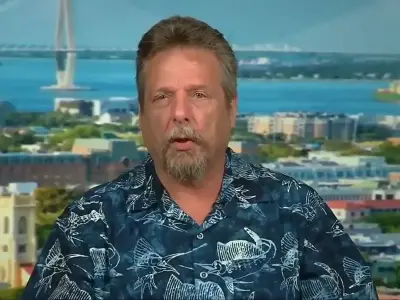
Tory MSP Meghan Gallacher said: “Scotland’s major cities are buckling under housing pressure, yet Glasgow is being left to shoulder a hugely disproportionate share of asylum accommodation. With more than 3,000 asylum seekers in dispersed accommodation in Glasgow, this uneven distribution is putting further strain on already stretched housing services. Years of SNP failure, from scrapping the local connection rule to removing priority need, have only made matters worse. The SNP must get a grip, ensure the pressure is shared fairly and put local people first.”

A spokesperson for Mears said: “Mears provides accommodation for asylum seekers in the majority of local authority areas across Scotland and works to ensure that dispersal is as fair and equitable as possible. We prioritise procuring suitable accommodation that meets Home Office contract requirements, including access to key public services and welfare support, along with considerations around value for money for the taxpayer, which does make procurement more complex in some rural or remote areas.”
SNP Equalities Minister Simita Kumar said: “The Scottish Government firmly believes the UK Government must deliver a more effective and humane asylum system that treats people fleeing conflict and persecution with dignity and respect. The Home Office is responsible for the provision of asylum accommodation. All local authorities in Scotland have committed to receiving and supporting people seeking asylum but decisions about asylum dispersal are made by the Home Office. This includes plans to reduce the number of people seeking asylum that are accommodated in Glasgow. Cost of living increases and successive UK Governments’ mismanagement of the asylum system are creating serious pressures for local authorities, especially Glasgow.”