A UN tribunal has ruled that the dismissal of nine Palestinian UN aid workers in 2024 was based “almost entirely” on unproven assertions from the Israeli government and damaged humanitarian operations in Gaza. The judgment, seen by the Guardian, casts fresh doubt on the evidence used to justify the sackings by the UN Relief and Works Agency (Unrwa), the main humanitarian organisation working in the territory.
Dismissals and Allegations
The nine workers had their contracts terminated in January 2024 “in the interests of the agency” and were told in termination letters that the allegations against them were “very serious and credible”. The dismissals were confirmed after a UN investigation found they might have been involved in the Hamas-led attacks of 7 October 2023.
The decision, taken by former Unrwa commissioner general Philippe Lazzarini after consultation with the UN secretary general, António Guterres, was apparently made in the hope that appeasing Israel and its allies would allow humanitarian work to continue in Gaza. Critics warned at the time that acting on allegations rather than evidence compromised the UN's integrity and gave credence to unproven claims.
Impact on Funding
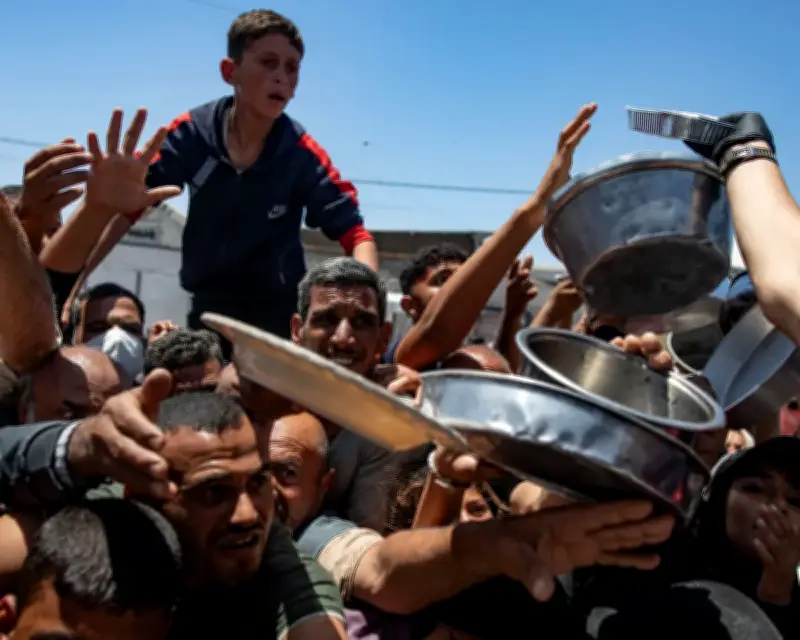
The dismissals failed to prevent the Biden administration ordering a pause in funding, a measure echoed temporarily by other backers, leading to a financial shortfall of $450m (£340m).
Chris Gunness, a former Unrwa spokesperson, said: “I have always said on the record that the Israeli allegations against Unrwa were the mother of all lies. Sacking the workers without any evidence confirmed their guilt unfairly in the minds of journalists, led 16 top donors to abandon Unrwa and produced the worst financial crisis in the agency’s history, from which it may never recover.”
Tribunal Findings
The Unrwa dispute tribunal, ruling in favour of one of the sacked workers, Abu Awad, described the Israeli allegations as unsupported and of “limited evidentiary value and reliability”. It also found that an internal UN investigation had not interviewed the 19 staff members initially accused by Israel because of “safety and security” concerns.
“The allegations against the applicant and the other staff members, it seems, are therefore based almost entirely on information in Israel’s possession,” the tribunal said. It cast doubt on intercepted mobile phone conversations and messages offered by Israel, noting one case involved mistaken identity based on a cloned sim card, a common phenomenon in Gaza. Voice recognition claims were also deemed dubious, and some transcripts were found not to support claims of links to Hamas or the attacks.
Specific Case and Aftermath
The allegation against Awad was that he was a “platoon commander” in Hamas's military wing, the Al-Qassam Brigades, a claim he rejected. He was not alleged to have taken part in the attack, and witness statements said he was on an Unrwa staff bus as normal. The tribunal noted Israeli security services failed to clarify who allegedly made a call to Awad or how the phone was associated with him.
Unrwa did not respond to a request for comment. Asked by the tribunal to provide evidence, the agency cited the Israeli government, a report in the Times of Israel, and one on the website UN Watch. The tribunal said Unrwa's claim that these sources informed the decision was “open to some doubt” because all supporting documents were produced after the decision on 26 January 2024.
Lazzarini, who left his post in March, did not respond to a request for comment. In February 2024, he admitted his decision represented “reverse due process” in that the investigation followed the dismissal. “My judgment, based on this going public, true or untrue, was I need to take the swiftest and boldest decision to show that as an agency we take this allegation seriously,” he said, adding that “the ability of the entire agency to continue to operate and deliver critical humanitarian assistance was at stake”.
The tribunal ruled that Unrwa failed to produce evidence supporting Awad's dismissal and awarded him a year's pay and $5,000 for “moral damages”. Israel claimed Unrwa was heavily infiltrated by Hamas, and its parliament voted in 2024 to ban the agency from operating in Israel or occupied Palestinian territories. The international court of justice stated in October 2025 that “Israel has not substantiated its allegations that a significant part of Unrwa’s employees are members of Hamas … or other terrorist factions”.