Trump's Davos Diplomacy Sparks Unprecedented International Backlash
The aftermath of Donald Trump's recent visit to the World Economic Forum in Davos has revealed a significant shift in global diplomatic relations, with the American president facing mounting isolation following a series of controversial statements and proposals.
Growing Diplomatic Fallout Over Military Remarks
The most immediate backlash emerged following Trump's comments regarding NATO troops in Afghanistan, which prompted strong responses from international leaders. British Prime Minister Keir Starmer delivered a particularly forceful condemnation, stating that Trump's remarks were "insulting and frankly appalling" and had caused significant hurt to military families across the United Kingdom.
Starmer's spokesperson emphasized that the US President was "wrong to diminish the role of NATO troops, including British forces, in Afghanistan following the 9/11 attacks on the US." The British leader added that if he had made similar comments, he would "certainly apologise" for such misstatements.
Veterans minister Al Carns, a former Marines Colonel with five tours in Afghanistan, described Trump's comments as "utterly ridiculous," highlighting the shared sacrifices made by international forces during the conflict.
'Board of Peace' Initiative Faces Widespread Rejection
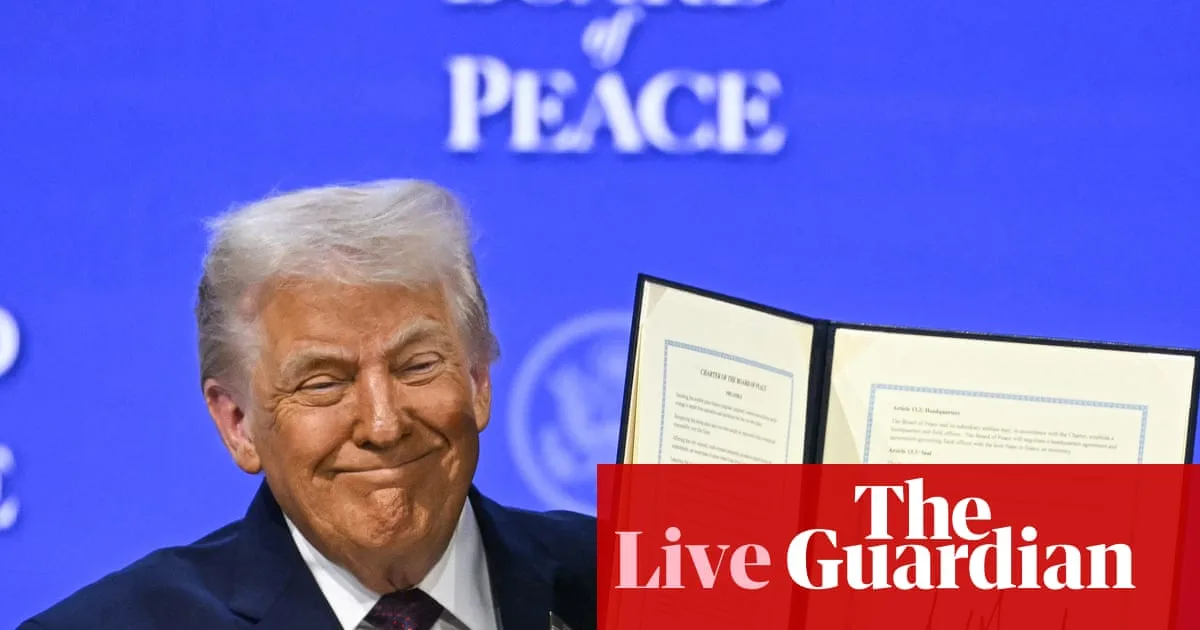
Trump's proposed international organization, dubbed the 'Board of Peace,' has encountered significant resistance from traditional American allies. European nations that might previously have considered participation now appear to be distancing themselves from the initiative, leaving Trump to seek support from nations including Bahrain, Belarus, and Saudi Arabia.
The diplomatic confusion surrounding the proposal was further highlighted when the White House mistakenly listed Belgium among participating nations, with Belgian officials quickly clarifying that their inclusion resulted from confusion with Belarus. Foreign minister Maxime Prévot confirmed that Belgium had not joined what some observers have characterized as an alternative to established international organizations.
Controversial Financial Arrangements Raise Questions
The financial aspects of Trump's international proposals have generated particular scrutiny. The requirement for permanent member states to pay a $1 billion entry fee has raised questions about the initiative's purpose and financial transparency.
When questioned about the destination of these substantial funds, Trump offered evasive responses, stating only that "it's nothing compared to the value of peace." This lack of clarity has led to speculation about potential oversight issues and the creation of what some critics describe as a global protection arrangement without congressional supervision.
Persistent Focus on Greenland Acquisition
The American president's longstanding interest in Greenland continues to feature prominently in his international agenda. Despite previous statements emphasizing the importance of ownership rather than rental arrangements, Trump has now indicated that details regarding Greenland would be forthcoming "in two weeks" - a timeframe familiar to observers of his administration's communication patterns.
This persistent focus on territorial acquisition has become a defining characteristic of Trump's foreign policy approach during his second term, though concrete progress remains elusive.
Social Media Activity and Domestic Political Developments
During his return journey from Davos, Trump engaged in extensive social media activity, posting approximately 70 times within an hour. These communications included criticism of political figures such as Gavin Newsom and Mark Carney, commentary on economic matters, and continued promotion of election-related conspiracy theories.
Domestically, economic messaging from Trump administration officials has faced scrutiny, with JD Vance's comparison of economic policy changes to turning the Titanic drawing particular attention for its historical inaccuracy regarding the famous vessel's fate.
Broader Implications for International Relations
The cumulative effect of these developments suggests a significant deterioration in America's traditional diplomatic relationships. The willingness of former allies to publicly challenge Trump's statements represents a notable departure from previous diplomatic norms and indicates growing international frustration with his administration's approach.
As Trump enters the second year of his second term, observers note that his combination of substantial executive power with increasing international isolation creates an unprecedented situation in modern American foreign policy, with potentially significant consequences for global stability and diplomatic cooperation.






