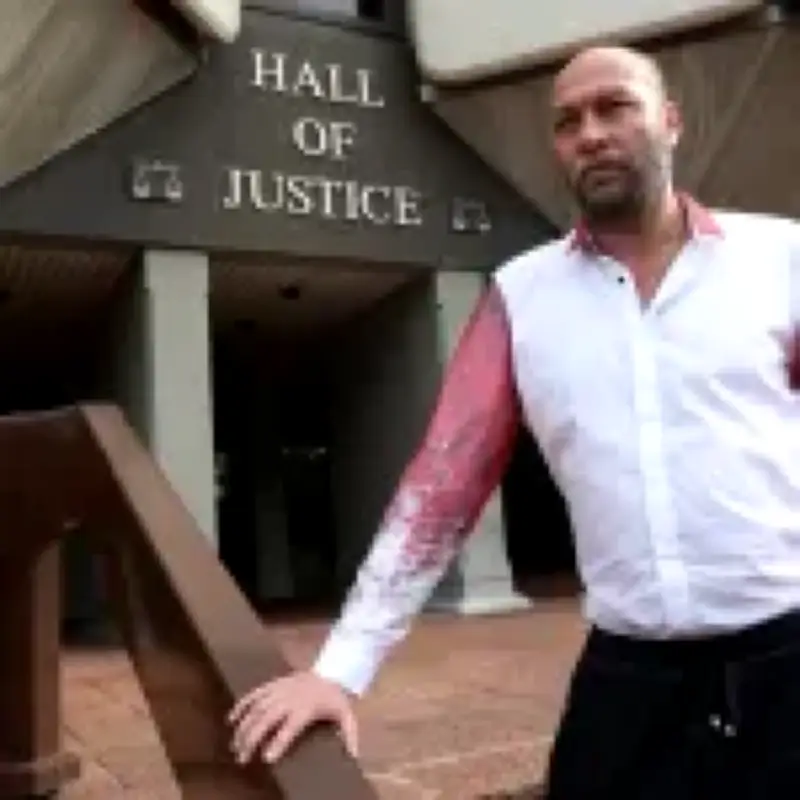
The Judicial Committee of the Privy Council (JCPC) has upheld a legal challenge against a law prohibiting homosexuality in Trinidad and Tobago, ruling that the Caribbean nation's anti-LGBTQ+ legislation is 'unconstitutional'.
Jason Jones, the LGBT campaigner who brought the case, said the decision would have a 'domino effect' and 'change the lives of millions'. The dual British and Trinidadian citizen has fought against the country's 'buggery law', introduced in 1925 under British colonial rule, since 2016.
Legal battle since 2016
Under Section 13 of the Sexual Offences Act, a man who engaged in consensual sex with another man could be sentenced to 25 years in jail. A high court judge sided with Jones in 2018, but Trinidad's Court of Appeal partly overturned the ruling and recriminalised consensual anal sex.
The five-member Privy Council, based in London, allowed Jones' appeal, ruling that the law infringed Jones' rights to a private and family life. 'The ability to form a deep connection with another person through an intimate and loving relationship is a vital interest for all human beings,' the judges said.
Call for leadership
Jones said the British government bore responsibility to help change attitudes towards LGBTQ+ Caribbeans, with many of the discriminatory laws relics from colonial-era legislation. The JCPC maintains jurisdiction in 32 territories, including 11 independent nations. A total of 29 Commonwealth countries continue to criminalise private consensual same-sex activity.
'We need some of them to show some balls and speak on this issue and start to help dismantle [homophobia],' Jones said. 'We have people that are literally dying around the world, from HIV, from the harm that these laws perpetrate and condone. So, that violence has to be addressed, and nobody's doing it.'
Judicial reasoning
Lord Sales, a Privy Council judge, said the anti-LGBTQ law was incompatible with the 'right to respect for private and family life'. He said: 'Whatever might have been the position in 1986, the current understanding of the fundamental individual right to respect for private and family life is that it protects such a core part of human identity as one's sexual orientation and the sexual activities carried on in private between consenting adults to give expression to that identity.'