
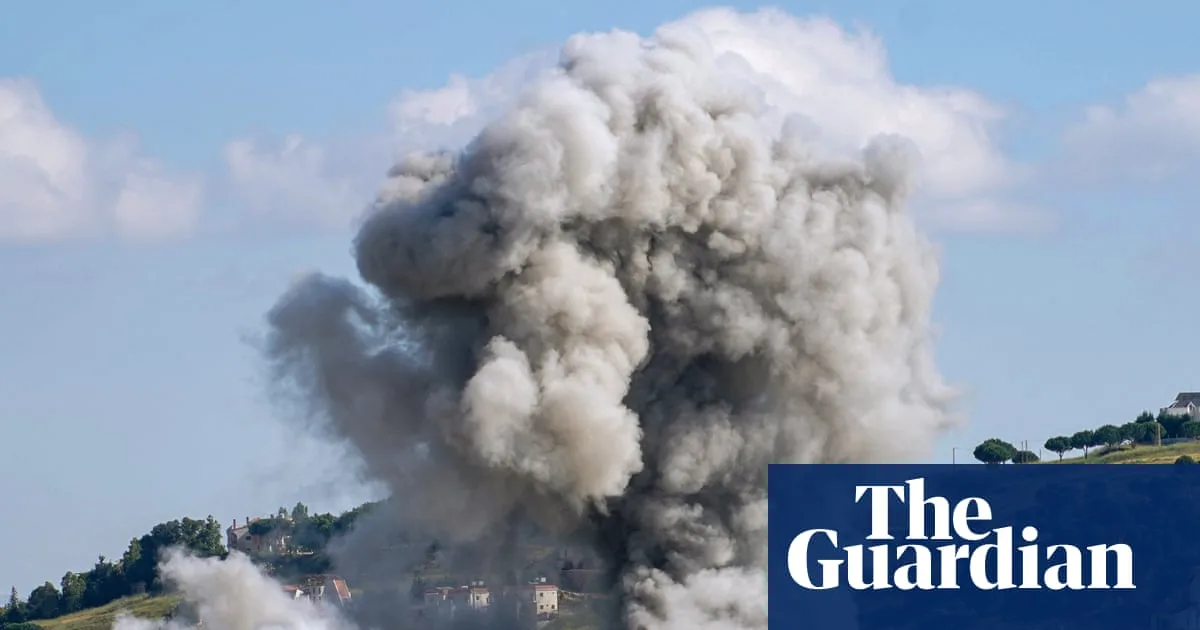
The Israeli army has escalated its strikes in southern Lebanon, with Prime Minister Benjamin Netanyahu ordering the military to intensify its offensive to 'crush' Hezbollah, further eroding an already fragile ceasefire. Hezbollah responded by launching several attacks on Monday on three barracks and a military post in northern Israel, citing Israeli violations of the truce.
The intensifying conflict comes amid diminishing hopes for a deal between the US and Iran. Tehran cited confusion in US positions and Israeli interference as obstacles to a complete agreement. Iran's spokesperson also stated that future management of the Strait of Hormuz is a matter for Oman and Iran to resolve, with proposed fees for navigational services rather than tolls.
Hezbollah claimed responsibility for a series of attacks in northern Israel early Tuesday, including drone strikes on Shomera barracks and attacks on two other barracks and a military post in Misgav Am. Fighting between Israel and Hezbollah erupted on 2 March, and despite a ceasefire on 17 April, both sides have continued near-daily exchanges of fire.
Netanyahu said in a video statement, 'I have ordered an even greater acceleration of our operations... We will intensify our blows, increase our firepower, and we will crush them.' Following his call for escalation, residents fled the southern suburbs of Beirut, a Hezbollah stronghold. The Israeli air force carried out successive strikes in the Bekaa valley in eastern Lebanon on Monday evening, according to Lebanon's National News Agency (NNA).
Dozens of Israeli strikes earlier targeted towns and villages in southern Lebanon, killing three people. Israeli airstrikes also targeted areas near Tyre after evacuation orders were issued for ten villages, accusing Hezbollah of breaching the truce. Lebanese authorities report that Israeli strikes since early March have killed over 3,100 people. The Israeli military announced a soldier was killed on Sunday in southern Lebanon, bringing the total Israeli soldier deaths to 23 since hostilities began, with one civilian contractor also killed.
Two far-right Israeli ministers called for expanding the military campaign. Finance Minister Bezalel Smotrich urged an end to the Hezbollah drone threat, while National Security Minister Itamar Ben Gvir called for a return to intensive warfare and taking control of further territory.




