Ireland's presidency of the Council of the EU will prioritize supporting Ukraine, maintaining economic growth, and protecting children online, senior government officials have announced.
Policy Programme Unveiled
The Irish Government published its policy programme for the presidency on Wednesday. Hosting the six-month term, which includes summits of senior EU figures in Ireland, is expected to cost between €165 million and €185 million, excluding security costs.
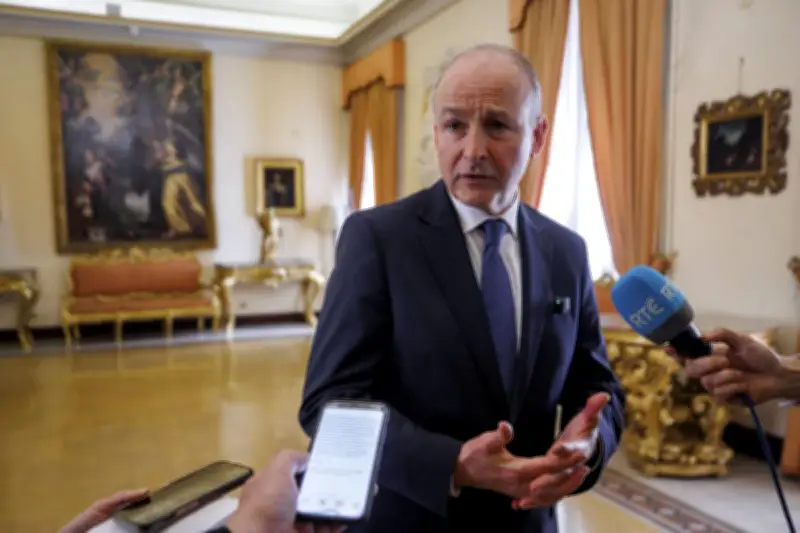
Speaking at Dublin Castle, Taoiseach Micheál Martin emphasized the need to "work harder" to protect EU citizens during a period of "increased threat and conflict." He noted that while the Dáil agenda would not change, the presidency would involve "a significant extra workload" for ministers and public servants.

Key Priorities
Deputy Prime Minister and Finance Minister Simon Harris highlighted negotiating the annual EU budget as a priority, stating that "interlocking themes" of competitiveness, values, and security reinforce each other. Foreign Affairs Minister Helen McEntee described the presidency as one "for the whole country," promising all counties opportunities to engage with the EU presidency.
Minister of State Thomas Byrne noted this is the first time Ireland holds the presidency since Irish became an official EU working language in January 2022.
Focus on Enlargement
Martin stressed the need for "relentless focus" amid global conflicts, saying, "War and conflict is undermining democracy, the economy, society, and dignity." He expressed confidence in making progress on EU enlargement, particularly in bringing Montenegro "very close to the line by the end of the year."
Logistics
Over the six-month period, about 30,000 delegates will visit Ireland, with meetings occurring over four and a half months, excluding breaks in August and Christmas. Ireland will chair EU Council meetings and negotiations, representing the Council in discussions with the European Parliament and Commission.