
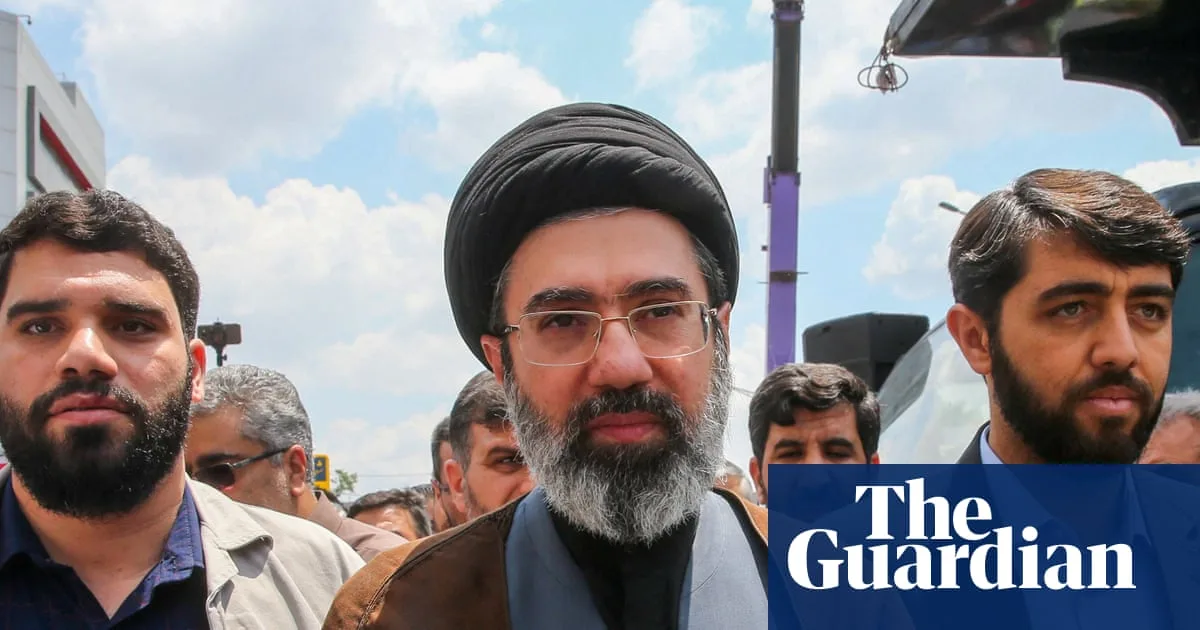
Iran's new supreme leader, Mojtaba Khamenei, was injured in the first wave of Israeli attacks, according to reports. The extent of his injuries remains unclear, but a broken leg and facial injuries are confirmed. Ali Larijani, secretary of the supreme national security council, stated that his condition has not been reported as critical, though he did not confirm having seen him personally.
The delay in Khamenei's election by the Assembly of Experts may have been due to doubts about his capacity and willingness to take on the role. His father, mother, wife, and one son were killed in the attack, along with other relatives. His mother died three days later from her injuries. The supreme leader's office was completely destroyed.
Opposition groups claim Khamenei is in a coma and being treated in secret, unaware of his elevation to supreme leader. The government has not released any photographs, videos, or text from him since his appointment, leading to speculation that he may be incapacitated or dead. The Israeli foreign ministry mocked the situation with a cardboard cutout of Khamenei.
Iranian media, despite heavy censorship, began questioning his welfare. Foreign ministry spokesperson Esmail Baghaei avoided direct answers, saying only that those who need to receive the message have done so. Confirmation of his injury came indirectly from Yousef Pezeshkian, son of the president, in a social media post.
The appointment, denounced by regime opponents as an IRGC puppet show, suggests the IRGC was desperate to install their candidate regardless of his health. The IRGC is not just a military force but also a business empire, and its control over the leadership process raises concerns about the country's governance.




