EU Unblocks €90bn Ukraine Loan After Hungary Lifts Veto Over Oil Pipeline
EU Unblocks €90bn Ukraine Loan After Hungary Lifts Veto

The European Union has finalised an agreement to unblock a critically needed €90 billion loan for Ukraine, alongside a fresh package of sanctions targeting Russia, after Hungary lifted its veto. This breakthrough came swiftly after Ukraine resumed pumping Russian oil through the Druzhba pipeline to Hungary and Slovakia, resolving a dispute that had stalled the financial aid for months.

Pipeline Dispute Resolved Prompting Swift Action

Cyprus, currently holding the EU's rotating presidency, announced that member states' ambassadors have agreed to initiate "written procedures" for the final approval of both the loan and the sanctions package. Formal sign-off is anticipated by Thursday afternoon, marking a significant step in supporting Kyiv amidst its ongoing conflict with Russia.

Background to the Veto and Its Resolution

Originally agreed upon in December, the €90 billion loan is vital to sustain Ukraine's economy through 2026 and 2027. However, Hungary's outgoing Prime Minister, Viktor Orbán, backed by Slovakia, vetoed the loan in March. Orbán accused Ukraine of intentionally delaying repairs to the Druzhba pipeline, which supplies Russian oil to Hungary and Slovakia, both heavily reliant on this energy source.

Wide Pickt banner — collaborative shopping lists app for Telegram, phone mockup with grocery list

Ukraine countered that the pipeline, with a capacity of 1.2 to 1.4 million barrels per day, had suffered severe damage from Russian drone strikes and was being repaired as quickly as possible. By Wednesday afternoon, Hungary's MOL oil firm confirmed that crude oil was flowing via the pipeline from Belarus, with deliveries expected in Hungary and Slovakia imminently.

Political Shifts and Economic Implications

Orbán's recent electoral defeat to centre-right challenger Péter Magyar had raised EU hopes for unlocking the funds, though concerns lingered about delays until Magyar's assumed office in May. Despite his loss, Orbán retained the power to block the loan, although Hungary, along with Slovakia and the Czech Republic, secured exemptions from participating in the joint borrowing.

The EU will provide Ukraine with two interest-free loans of €45 billion each in 2026 and 2027. Of this, €28 billion annually is earmarked for military spending, with €17 billion allocated for general budget needs. The funds will be borrowed on capital markets, backed by the EU budget, and are not expected to be repaid by Ukraine from its own resources. Instead, repayment is contingent on Russia paying reparations post-war, potentially using an estimated €210 billion of frozen Russian central bank assets in the EU.

Sanctions Package and Broader Context

The dispute over the loan also delayed new EU sanctions against Moscow, intended for the fourth anniversary of Russia's full-scale invasion in February 2022. The 20th sanctions package includes measures to restrict Russia's oil exports, such as adding over 40 ships to a ban list and imposing a comprehensive ban on maritime services like insurance for Russian oil transport.

Additionally, about 120 individuals and entities, including 20 Russian regional banks, face travel bans, asset freezes, and transaction restrictions. The package targets crypto platforms, third-country banks facilitating military trade, and adds approximately €930 million worth of goods to import and export bans.

Reactions and Future Outlook

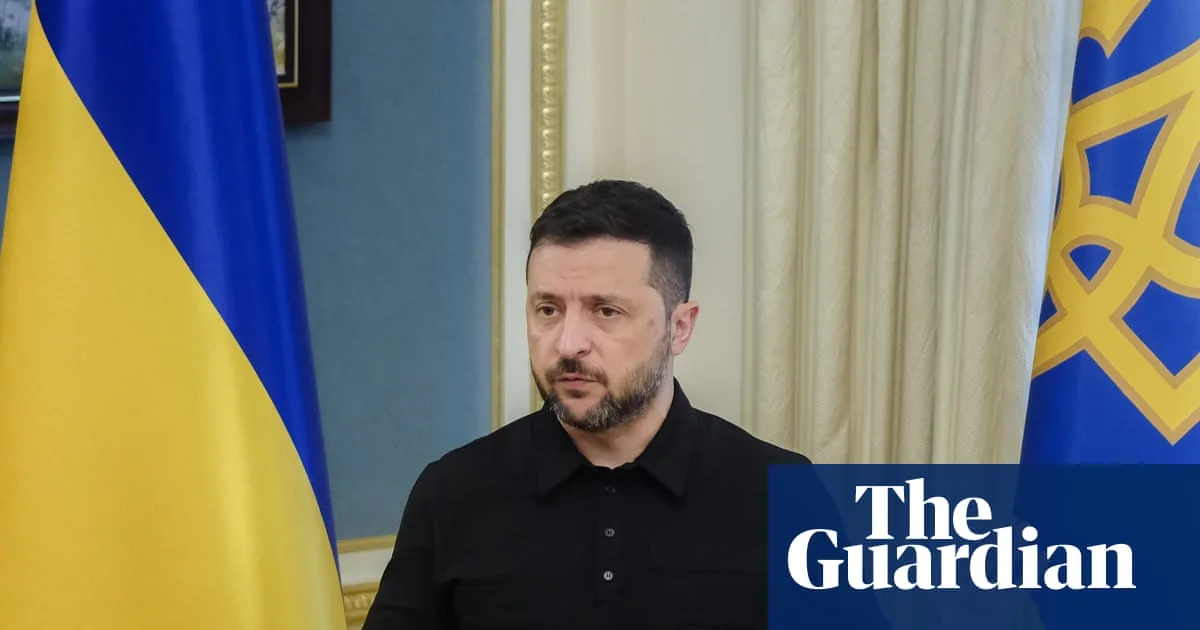
Ukrainian President Volodymyr Zelenskyy welcomed the agreement as "the right signal under the current circumstances," emphasising the need for both support for Ukraine and pressure on Russia to end the war. He affirmed Ukraine's commitment to fulfilling its EU obligations, including on the Druzhba pipeline, and stressed the importance of swift operationalisation of the European support package.

Economists warn that Ukraine could face financial shortages by June without the EU loan. EU Economic Commissioner Valdis Dombrovskis indicated that the first disbursement is likely by late May or early June, providing timely relief.

Additional Developments

In a related development, the German government reported that the German subsidiary of Russia's state-owned Rosneft will halt oil flow from Kazakhstan through the Druzhba pipeline to a refinery in eastern Germany from 1 May. However, officials stated this change will not significantly impact refinery operations, ensuring continued fuel supply to the Berlin region.

Pickt after-article banner — collaborative shopping lists app with family illustration

This agreement underscores the EU's strategic efforts to bolster Ukraine while navigating complex geopolitical and economic challenges, reinforcing unity amidst ongoing tensions.




