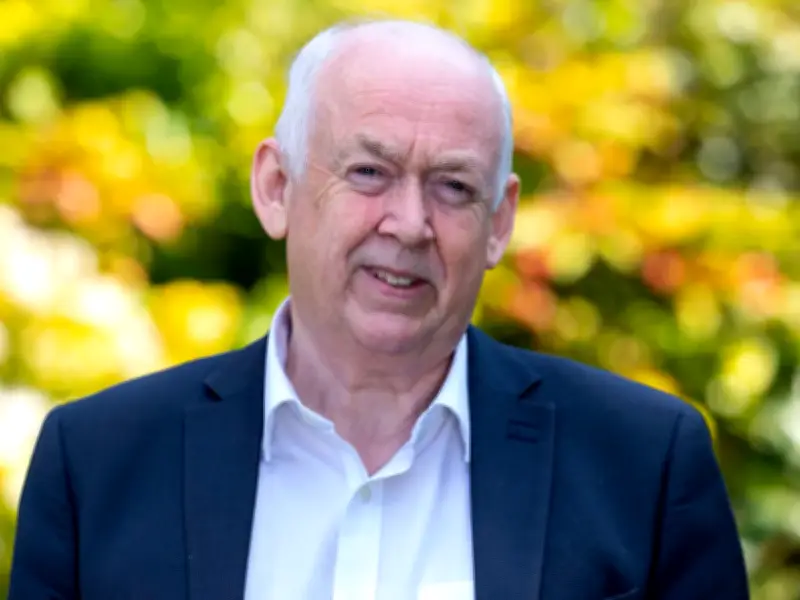
Wayne David, former Labour MP and Under Secretary of State for Wales, has called on Welsh Labour to pursue a devolution agenda that brings power closer to communities and regions rather than building a centralised Welsh state in Cardiff Bay.
Writing after May's Senedd election, in which Wales elected a Plaid Cymru minority government for the first time, David said Welsh Labour must honestly examine the reasons for its defeat. The party won only nine of the 96 seats, while Reform UK came second. Labour had been in government since the start of devolution.
A call for regional empowerment
David acknowledged Welsh Labour's historic support for devolution, noting it was Labour that established the Welsh Assembly after a narrow referendum vote and under which the National Assembly grew and flourished. He argued the party's defeat was partly due to the UK Government's unpopularity and partly the result of Welsh Labour's failures in government.
He said areas of policy still need to be devolved to the Senedd from Westminster, particularly aspects of the justice system and elements of employment support. More importantly, he said, devolution should be about bringing decision-making closer to the people of Wales and empowering people in their regions and localities.
Criticism of Plaid Cymru's agenda
David said Wales is a proud and diverse nation, with north, south, east and west Wales very different, as are rural and urban Wales. He argued a policy of devolution should recognise this diversity and give real control to local authorities, both individually and collectively.
He accused the Plaid Cymru Government of reneging on its pre-election promises since May, including pursuing a nationalist agenda for fracturing the unity of the United Kingdom. He said the government, in collaboration with nationalists in Scotland and Northern Ireland, is devoting time and energy to an agenda they hope will lead to Welsh independence, a goal he said would place massive financial burdens on Wales.
Defending the Secretary of State role
David criticised arguments, supported by some within Welsh Labour, for abolishing the position of Secretary of State for Wales, calling it a hugely retrograde step against the best interests of Wales. He said one of the most important roles of the Welsh Secretary, supported by the Wales Office, is to argue the Welsh case to the Westminster Government in areas that are not devolved.
This means ensuring Wales's voice is heard in the UK Government Cabinet and within UK Government departments, which inter-governmental co-operation cannot do. Another important role is securing the best financial deal for Wales, vital as public expenditure in Wales comes mostly from Westminster.
David concluded that for Wales, devolution should be about partnership with Westminster, not separation from it, and about bringing power closer to the people. With a Labour Government in Westminster firmly committed to devolution, he said now is the time for Welsh Labour to clearly define and articulate its vision for Wales.