A Scottish military expert has claimed that many veterans would risk going to prison rather than sign up to fight for their country, following an attempt to boost Britain's depleted armed forces.
The Ministry of Defence (MoD) has sent letters to more than 100,000 reservists inviting them to take part in specialist training and manoeuvres amid growing tensions with Vladimir Putin's Russia. It is the first time since the Cold War such a move has been made.
Veteran voices reluctance
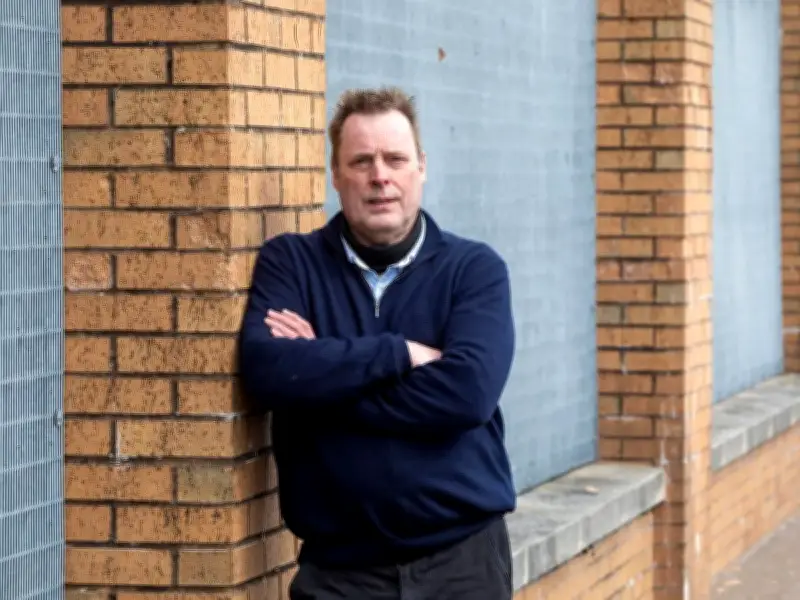
SAS-trained Graham Yuill, who served in Northern Ireland, said: "I have spoken to many fellow UK veterans and have stated that they would rather go to prison than serve their country again."
"Having already served, a growing number of former service members feel let down by the systems meant to protect them once they return home."
For many, the reluctance is rooted in the harsh treatment they face after leaving the forces.
"Too many veterans struggle with inadequate mental health care, chronic unemployment and homelessness. Others have ended up in prison often due to a lack of structured support during their transition back to civilian life."
"If call-up papers do arrive, ministers should not be surprised when many veterans refuse to fight and choose to go to prison. Asking them to put their lives on the line once more becomes an impossible demand years after the guns have fallen silent."
Background and concerns
Graham, who lives in Glasgow, was part of the elite 177 Provost Company which provided armed escorts for senior military personnel and politicians in Northern Ireland during the height of the troubles. He has also worked as a private security consultant providing personal protection services at home and abroad and is an author of books on the Novichok poisonings and the IRA assassination of King Charles's great uncle Lord Mountbatten.
Graham says he has spoken with a number of veterans both in Scotland and down south including former special forces who have all expressed their reluctance to join up to fight again.
He added: "Having already served their country, veterans understand the realities of military duty. However, asking former service personnel to upend their civilian lives once again without addressing fundamental questions about their welfare and legal standing is untenable."
"There is currently no ironclad guarantee that veterans will have their civilian jobs protected or waiting for them upon their return, threatening the financial stability not just for themselves but their families also."
"Basic details regarding remuneration, pension, deployment conditions, medical support, and family welfare remain vague."
"Loyalty and duty cannot be treated as a blank cheque. Veterans have already fulfilled their original commitments, and expecting them to risk their livelihoods, their freedom, and their lives without transparent terms and legal safeguards is unjust."
Threats and military readiness
The move to recruit 100,000 reservists into Britain's forces follows increasing threats from Putin. Last week, cruise missiles and a drone were fired from Russia into Poland, 60 miles from where a UK-led military exercise was taking place.
With just 73,000 active troops, the British Army is currently at its smallest size since the Napoleonic Wars in the early 1800s. The letters to the 100,000 reservists were signed by the respective chiefs of the Army, Navy and Royal Air Force.
Earlier this week, it was reported that the RAF had started moving aircraft into hangars overnight and were working on plans to protect bases using antidrone nets. The UK Government has also recently warned that the country must be ready for war with Russia within 1,000 days and urged Brits to begin stockpiling essentials.
Graham says he was offered a lucrative financial package earlier this year to protect senior military personnel in the event of a conflict with Russia. He added: "While I remain committed to the defence of our nation, I am deeply reluctant to take the offer."
"If the government expects skilled personnel to step forward and put their lives on the line in a major war, there must be a fundamental shift in how those who serve are treated afterwards."
Minister for Veterans and People, Calvin Bailey, said: "In a rapidly changing world, we cannot take our security for granted, and that's why we are rebuilding our relationship with the Strategic Reserve."
"Of the UK's two million veterans, roughly five percent are members of the Strategic Reserve. We don't have full details for all of our Strategic Reservists, which is why we are re-engaging: to improve our records, raise awareness and better understand the skills and experience they have gained since leaving the military."
"This is prudent preparedness, not mobilisation, and it does not mean conflict is imminent."