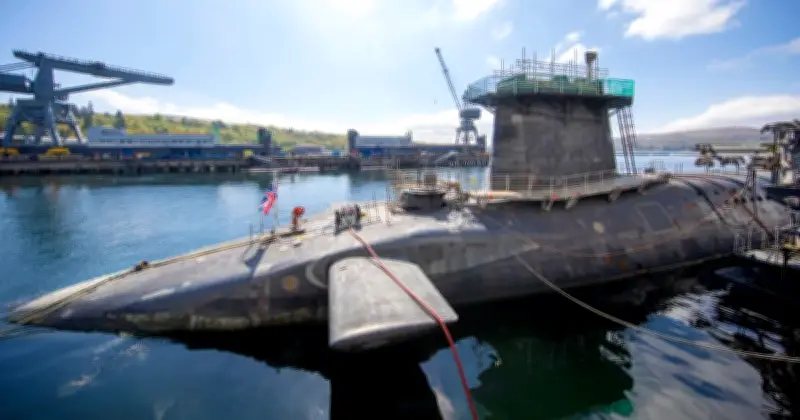
The UK has announced an £8 billion investment in the maintenance of its nuclear submarines, described as the “single biggest procurement decision of this Parliament”. Defence Secretary Wes Streeting said the move would make Britain “less likely” to find itself at war with Russia or any other hostile country by increasing defence spending and strengthening the UK's defence industry.
Deterrence and the Russian threat
Speaking to the BBC, Mr Streeting said: "The deterrent effect is so strong that our adversaries wouldn’t want to test us, so that’s the goal. With defence, the more capable you are, the more you invest in your defence, the less likely the worst is to happen."
He described the current threat from Russia as the worst since the Cold War, citing the incursion of a Russian missile into Poland last week. "This is a difficult time for Europe, the threat is material and that is why we have to invest more in our defence, in our capability, in our industry, in our alliances," he added.
Contract details and jobs
A five-year contract has been awarded to British defence firm Babcock. It is expected to create around 3,000 highly-skilled jobs, mainly in Plymouth, Glasgow and Bristol. According to the Ministry of Defence, the contract will also generate 2,500 apprenticeship and graduate opportunities.
Babcock said the deal – comprising an £8bn contract and a £0.7bn framework – will be the largest contract in its history. Harry Holt, Babcock’s Chief Executive, said: "The gateway agreement will enable us, in collaboration with the MoD, to continue our support for the deterrent, increase submarine availability and develop the skills, infrastructure and capability to support the Royal Navy’s submarine force for the years ahead."
Impact on the fleet and supply chain
The MoD said the contract would also support 8,500 existing jobs and channel around £2.4 billion into the wider UK supply chain, including £1bn targeted at small and medium-sized businesses.
First Sea Lord and Chief of Naval Staff General Sir Gwyn Jenkins said the investment would help tackle “the delays that hold us back” and get submarines “through maintenance quicker and back where they belong: beneath the waves”.
MPs on the Commons Defence Committee recently warned about a shortfall in anti-submarine warfare at a time when the greatest Russian threat comes from its submarines and naval sabotage forces. They said the best deterrent – the Royal Navy’s anti-submarine warships and nuclear-powered submarines – were too often out of action under maintenance.
The UK’s nuclear deterrent, Trident, consists of four Vanguard-class nuclear submarines, which first went on patrol in 1994. One of the vessels is continually at sea. At any time since 1969, one Royal Navy submarine has been on patrol, another resting after returning from duty, one preparing to be sent out and one under maintenance.