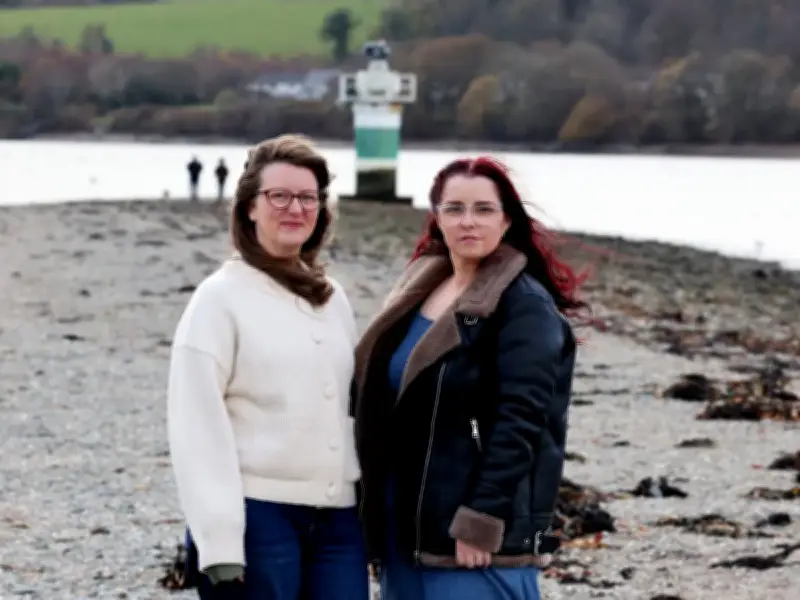
The wives of two Royal Navy submariners have spoken out about the toll that extended Trident patrols are taking on families, following a record-breaking 217-day deployment by HMS Vengeance. Hannah Acton, 34, and Claire Awesome, 41, from Helensburgh, say the prolonged time apart is “not sustainable” and can seriously affect mental health.
Record patrol sparks concern
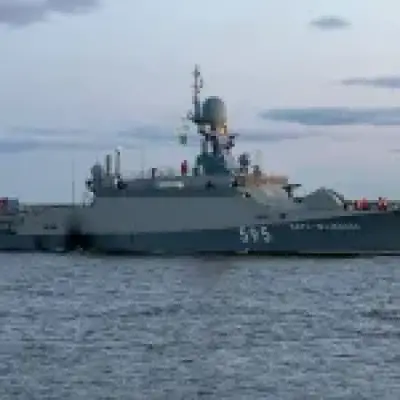
The 140-strong crew of HMS Vengeance returned to HM Naval Base Clyde on Sunday after 217 days at sea, having set out from Faslane, near Helensburgh, Argyll and Bute, in April. The submarine spent the tour in almost total isolation beneath the surface, marking the longest undersea deployment for a British vessel.
Defence Secretary Wes Streeting welcomed the crew home and acknowledged that patrols, which typically lasted three months, have stretched to six or more in recent years due to a shortage of seaworthy vessels. He said the situation “doesn’t sit lightly.”
Families speak out
Acton and Awesome, whose partners were not on HMS Vengeance but have been at sea for up to six months at a time, wrote an “open letter” this week criticising how the record-breaking deployment had been “celebrated.” They want to highlight the sacrifice armed forces families make and the need for proper support for those left at home.
Awesome said: “People are celebrating this and I don’t feel like it should be celebrated. Mental health wise, for all of us, it’s not good. I think it’s actually quite dangerous. To go that long without seeing your husband or partner. I don’t know how that can be sustainable for wives and children. So much changes with your children in seven months. Seeing the little ones go through it is so hard because they don’t understand.”
She added: “People say ‘you knew what you signed up for’ - no. When my partner signed up they were three month patrols and they’ve got longer and longer. Our longest from door to door, with Covid as well, was 237 days that we didn’t see him for. He wasn’t under the water for all that time but it was crazy. With patrols being so long now I hate the thought of having to do that again. I don’t know how you prepare yourself for that.”
Impact on children and communication
Acton, who is mum to William, 11, and Henry, six, and gave birth to her first child while her partner was on patrol, said: “Everyone has been amazing but we get the odd comment saying ‘you knew what you signed up for’. Yes, we knew our husbands were serving our country and we’re so proud of that but these people didn’t sign up for seven month patrols. We love the Navy, we’ve had so many great opportunities and there’s so much support. My 11-year-old finds it hard and there’s been so much support for him, but we’d rather have our husbands back.”
She continued: “My husband didn’t meet our boy until he was eight weeks old. It was hard for them to form that bond. He left our other little boy Henry when he was three weeks old to go to sea during Covid. I have a lot of friends whose partners were on (HMS Vengeance) and after seeing them upset, we’re using our voices to share our own experiences.”
Crews can receive messages from loved ones via “Familygram,” but messages must be only 120 characters, arrive weekly, and crew members are not permitted to reply. Bad news and some good news from home can be withheld if it might jeopardise a crew member’s performance.
Wider context and calls for support
The UK has maintained at least one ballistic missile-armed submarine on patrol since the late 1960s. The four Vanguard-class submarines, capable of carrying up to 16 Trident missiles each, were commissioned in the 1990s with an expected service life of 25 years. They are now expected to serve up to 40 years before the first Dreadnought-class submarines begin replacing them in the early 2030s, and typical patrol lengths have more than doubled in recent years.
First Sea Lord Gen Sir Gwyn Jenkins, head of the Navy, said the UK must do better at maintaining the fleet when he praised submariners’ dedication at a conference earlier this month. Streeting said the programme was “on track” and that the record patrol made him feel “even more indebted to the crew.”
In their open letter, Acton and Awesome wrote: “You call it a record... we call it a missed birth. Another birthday with an empty chair. Another Christmas without them. Children growing up, loved ones passing away. Final goodbyes that never got to happen. Time they will never get back. We are fiercely proud of our husbands. We will never celebrate the sacrifices that cost them so much.”
Awesome, mum to Ava, 20, said: “We missed our first wedding anniversary - you’re meant to be together and I wasn’t even able to speak to him and my partner’s granddad died while he was away. It can be really tough trying to get across what you’re doing and what’s happening. Especially when you don’t get a reply. You’re having a one way conversation for half a year.”
She added: “I’ve been very lucky and have a small group of friends in the community who have helped me through deployments. But it’s difficult to support someone when you’re going through the same thing. We are immensely proud of our husbands and what they do. It’s not sustainable for them to be that long and they’ve only got longer since we’ve been here. How they address that - that’s a political issue. But if people can be educated a little but about what people go through then maybe it can help them understand a bit better.”