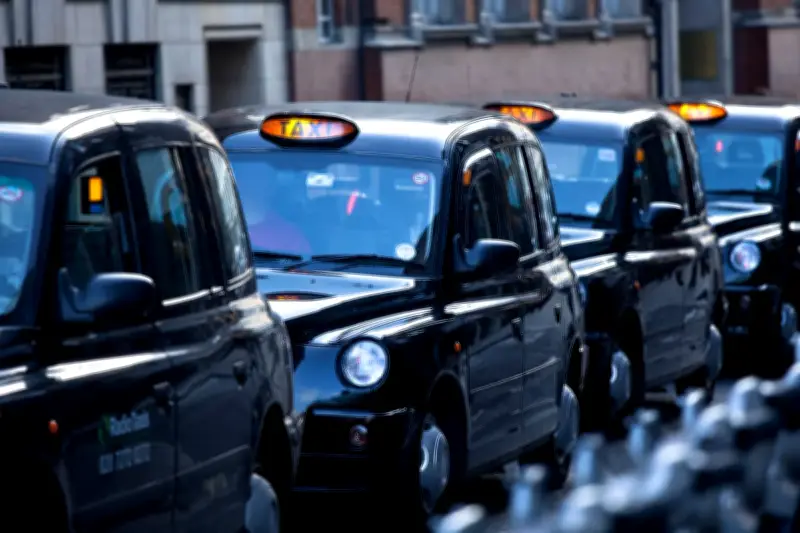
Black cabs will continue to use Bank Junction permanently after City of London councillors voted 13-8 on Tuesday to back a controversial traffic scheme, despite concerns over road safety.
The decision makes permanent a trial introduced last year that allowed licensed taxis to travel east-west through the junction between Poultry and Cornhill. The move was welcomed by taxi representatives, who said it would improve accessibility in the Square Mile, but cycling and disability groups warned it could increase risks for vulnerable road users.
Background of the junction's restrictions
Bank Junction was once considered the most dangerous in the City. In 2015, 26-year-old cyclist Ying Tao was killed when she was crushed by a lorry while riding to work near Bank station. Following widespread concern, the City of London Corporation introduced restrictions in 2017 banning licensed taxis and most other traffic from the junction between 7am and 7pm on weekdays.
In 2024, councillors voted to reopen part of the junction to black cabs on a trial basis, despite recommendations from officers against doing so. The 18-month trial began in July 2025 and is due to expire in January 2027.
Report findings and public consultation
A report presented to members recommended making the scheme permanent, noting that taxi access had improved around Bank and pointing to collision data showing no recorded incidents involving taxis between January 2022 and December 2024. The report acknowledged the findings were mixed, however, and noted continuing concerns about safety and traffic levels.
A public consultation attracted almost 4,000 responses. Overall, 88 per cent supported retaining taxi access, although many respondents were taxi drivers or taxi passengers. Among people who cycle through the area, almost three-quarters opposed the change.
Councillors divided on the decision
The recommendation sparked disagreement among councillors. John Edwards, chairman of the corporation's streets and walkways sub-committee, described the officers' recommendation as "astonishing" and argued the scheme had failed to meet a number of its stated objectives. "What's happened is we've displaced taxis from the access streets where we want vehicles and moved them to a junction where we don't want vehicles," he said.
Others argued the accessibility benefits outweighed concerns. Deputy Keith Bottomley told colleagues: "Black cabs are an essential part of London's accessible transport network." Alderwoman Alison Gowman said she remained unconvinced by the evidence, warning: "There's no conclusive evidence, no slam dunk if you like, that this has a positive effect."
Reactions from taxi and cycling groups
Following the vote, Licensed Taxi Drivers' Association chairman Paul Brennan said he was "delighted". "This is a victory for common sense, accessibility and evidence-based decision-making," he said.
Simon Munk, head of campaigns and community development at the London Cycling Campaign, said allowing more motor traffic through Bank Junction risked undermining previous safety improvements. Wheels for Wellbeing, which supports disabled people to cycle, also voiced concern, arguing the move could make the junction less safe for vulnerable road users.