
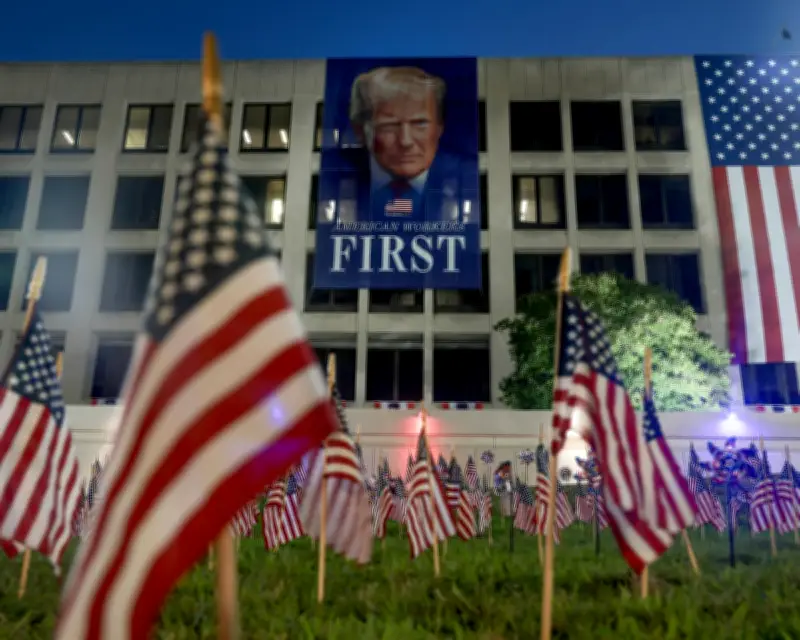
The United States Constitution is facing its most significant challenge since the Civil War, with former President Donald Trump at the center of efforts to undermine democratic institutions. According to a recent analysis, Trump's attempts to overturn the 2020 election and his continued influence over the Republican Party represent a direct threat to constitutional governance.
Assault on Democratic Norms
Trump's actions, including pressuring state officials to alter vote counts and inciting the January 6 Capitol riot, have exposed vulnerabilities in the constitutional system. Legal experts warn that the traditional safeguards, such as the Electoral Count Act and impeachment processes, have proven insufficient against a determined executive.
More than 60 lawsuits challenging the 2020 election results were rejected by courts, yet Trump persists in claiming widespread fraud. This rhetoric has eroded public trust in elections, with a recent poll showing that only 25% of Republicans believe Biden won legitimately.
Structural Weaknesses
The Constitution's framers did not anticipate a president willing to disregard norms and laws to stay in power. The document relies on good-faith actors, but Trump's tenure has revealed how easily checks and balances can be circumvented. For instance, the Senate's failure to convict Trump in two impeachment trials has emboldened further attacks.
According to constitutional scholar Laurence Tribe, "The Constitution is not a suicide pact, but it is also not a straitjacket. We need stronger mechanisms to enforce accountability." Tribe has called for reforms to the Electoral Count Act and clearer definitions of presidential misconduct.
Threats to Rule of Law
Trump's statements about the Department of Justice and FBI have undermined the independence of law enforcement. He has called for investigations into political rivals and suggested using the military to quell protests. These actions, if unchecked, could transform the presidency into an authoritarian office.
The January 6 committee has documented Trump's direct involvement in efforts to pressure Vice President Mike Pence to reject electoral votes. Pence's refusal to comply with this unconstitutional demand averted a constitutional crisis, but the incident highlighted the fragility of the system.
Public Response and Future Risks
Civil society organizations and some state officials are working to protect election integrity, but the threat remains acute. Many states have passed laws restricting voting access, citing fraud concerns, while others have expanded early voting. The polarization over election rules suggests that the Constitution's resilience will be tested again in 2024.
As Washington DC remains the epicenter of these tensions, the question is whether the constitutional framework can withstand another Trump presidency or similar challenges from future leaders. The answer may depend on the willingness of all branches of government to enforce the rules that have sustained American democracy for over two centuries.




