
The UK government is seeking agreements with the European Union on steel and electric vehicles as part of efforts to upgrade post-Brexit economic relations. Downing Street hopes to shield British industry from new steel tariffs and stricter rules on electric vehicles due to come into force in 2027.
The EU recently agreed trade restrictions on steel imports to counter a glut of cheap Chinese steel, which will take effect on 1 July. Although the UK is not the target, it will be affected by higher tariffs. The UK has already announced its own measures, slashing quotas for tariff-free steel by 60% and imposing a 50% tariff on imports above that level from the same date.
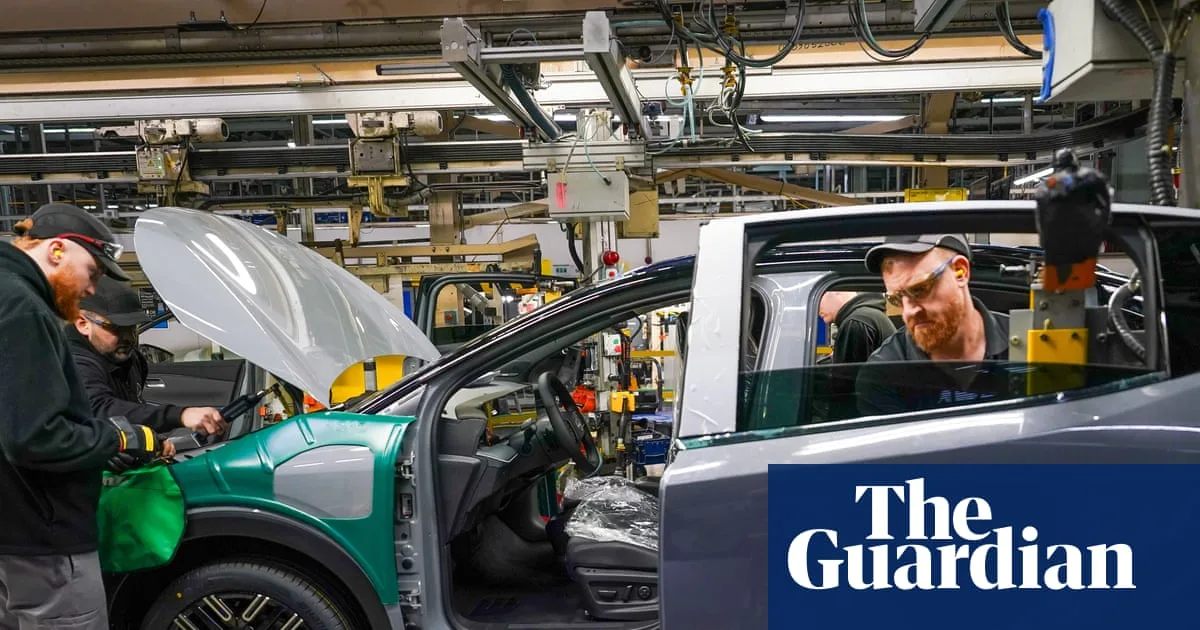
Separately, stricter rules of origin for electric vehicles are scheduled for 2027, requiring that 40% of an EV's value be made from parts sourced in the EU or UK to qualify for zero tariffs. This deadline was delayed from 2024 after industry requests, as limited battery production made compliance difficult.
Cabinet Office minister Nick Thomas-Symonds told reporters in Brussels that steel and EVs "have to be a matter of discussion this year." He said he would take a "ruthlessly pragmatic approach" to alignment, assessing where it is in the national interest. Thomas-Symonds declined to name specific sectors, citing the negotiating process and market sensitivity.
The EU and UK are set to hold a summit in the summer to finalise agreements on food and drink, youth mobility, and energy, but the agenda for deeper economic ties beyond these issues remains unclear. David Henig of the UK Trade Policy Project suggested that economic security, in response to US tariffs and Chinese competition, could provide a framework for deeper cooperation.
European Parliament president Roberta Metsola called for a "uniquely British model" for relations, noting the UK is "not any other third country." EU commissioner Maroš Šefčovič has indicated openness to a steel agreement, having previously called for a western steel alliance including the US and UK.




