
The House of Lords has been told that a new agriculture agreement with the European Union will not eliminate all Brexit-related paperwork but could pave the way for exports of Scottish langoustines and oysters. The UK and EU are close to finalising a sanitary and phytosanitary (SPS) agreement aimed at reducing trade barriers, which peers on the European affairs committee heard would have a 'modest' impact on the UK economy but be significant nonetheless.
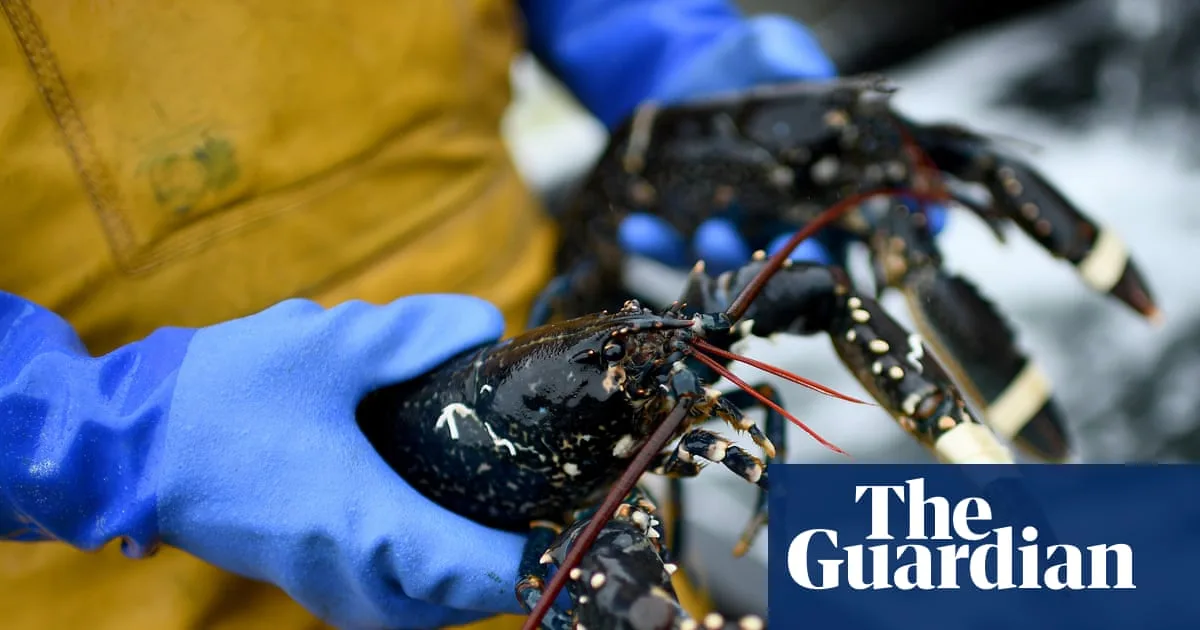
The deal would end physical checks on farm produce and remove the need for veterinary certificates, which cost £200 each. It could also eliminate the requirement to label food as 'Not for EU', which has posed a significant problem for wholesalers and distributors, according to William Bain, head of trade policy at the British Chambers of Commerce. Bain noted that before Brexit, Scottish langoustines and molluscs could be fished and reach Parisian diners within a day, but many exports stopped because border checks reduced shelf life.
However, an SPS deal would not erase all red tape. British exporters would still need to complete customs, VAT, and safety and security declarations. Labour’s plan to reduce trade barriers involves 'dynamic alignment' with EU rules, accepting all future EU regulations on farm produce. Currently, negotiators are discussing an agreement to recognise 76 laws either passed in Brussels or from which the UK has already diverged.
Alternative approaches were debated, including 'mutual recognition' of food standards, as used between New Zealand and the UK. Shanker Singham of the Growth Commission argued that the UK has significant commercial leverage, with 23% of EU agrifood exports going to the UK, while far less flows the other way. He suggested the UK could pursue mutual recognition rather than dynamic alignment, cautioning against giving away regulatory authority.
Sam Lowe of Flint Global countered that dynamic alignment would almost eliminate physical inspections, unlike a mutual recognition deal. He noted that UK exporters are asking the EU to recognise dynamic alignment in return for the UK already recognising EU rules, giving EU exporters an advantage. The trade imbalance, Singham added, provides the government with a strong buyer's advantage that has so far not been fully leveraged.




