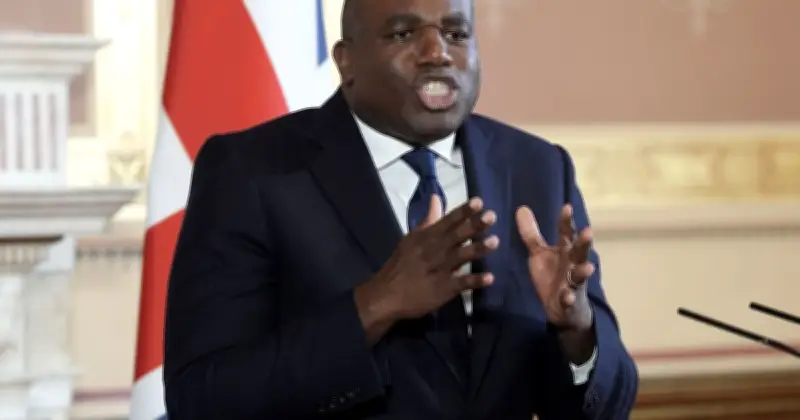
David Lammy has written what has been described as the most honest case yet for Britain rejoining the European Union, urging Andy Burnham to put a return to the bloc on the ballot at the next general election. The former Deputy Prime Minister's intervention marks a significant change in direction from a man once committed to adhering to the so-called 'red lines'.
In his newspaper article, Mr Lammy praises the EU for championing a "total rethink of market orthodoxies" and claims the bloc has become "more strategic, more interventionist and more industrial". For those on the left, a heavier-handed state is a selling point, but the analysis suggests it is a warning flag for those concerned about economic growth.
Economic Concerns and the Bank of England Claim
The article argues that Britain's problems have not been caused by a lack of government, but rather by too much of it. It cites worklessness, declining productivity, overspending, and a stagnant economy as key issues, with taxes throttling growth and planning systems blocking infrastructure development.
Underpinning Mr Lammy's argument is a claim from the Bank of England that the economy is some 6 to 8 per cent smaller in 2025 than it otherwise would have been. However, this ignores the war in Ukraine, the Covid pandemic, and long-standing productivity challenges.
The Cost of Rejoining
Mr Lammy admits that free movement "would return" and that the rebate Margaret Thatcher fought for, worth around £5 billion a year, would be lost. He insists that "like Ireland" Britain could stay out of Schengen and "like Sweden" keep the pound.
The analysis points out that Ireland won its opt-out as an existing member, not as one attempting to rejoin, and that Sweden is legally bound to join the euro. Any exemption would be a favour from Brussels, not an automatic right.
A Plan to Win Over France
The most revealing line, according to the analysis, is Mr Lammy's fear that Marine Le Pen could veto Britain's return if she wins the French presidency. His solution is to win her round because Britain rejoining "would reduce France's EU budget contributions".
The analysis concludes that Britain would be one voice among 28, bound by rules it could be outvoted on. It dismisses the idea of free-trading Britain as a fantasy that was never tried, arguing that successive governments kept the EU rulebook and raised taxes on businesses. The answer to a botched Brexit, it says, is not to hand back the keys but to finally use them.