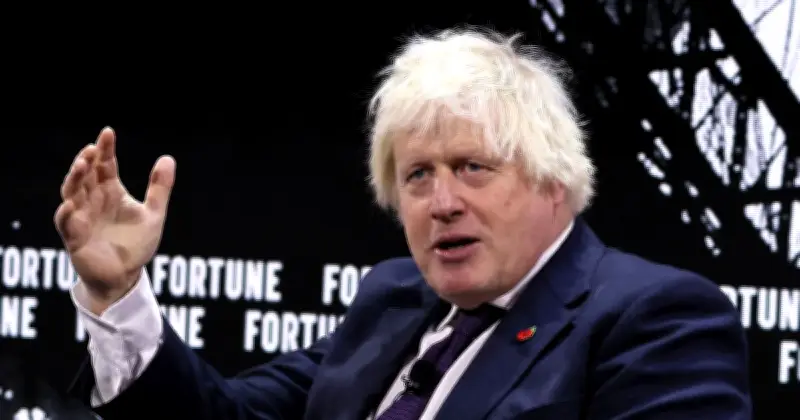
Prime Minister Andy Burnham has launched a fierce attack on Boris Johnson over Brexit, accusing the former PM of leaving Britain with a bad deal and “burning bridges” with European allies. Mr Burnham insisted he is not reigniting a “toxic” debate over Britain's exit from the bloc as he hit back at his predecessor for wading into the escalating row.
The attack follows Mr Johnson's warning to the Labour leader against reopening old wounds over Brussels, insisting Brits would vote to leave all over again if a second referendum were held.
Burnham's EU Reset Plans
Mr Burnham sparked fresh fury at Labour's conference in September when he vowed to unveil options for closer ties with the EU ahead of a crunch summit this Friday (November 20). However, he appeared to shift the goalposts on Tuesday, claiming the next phase of his Brussels reset will instead be unveiled alongside his 10-year plan for Britain - which is expected before Christmas.
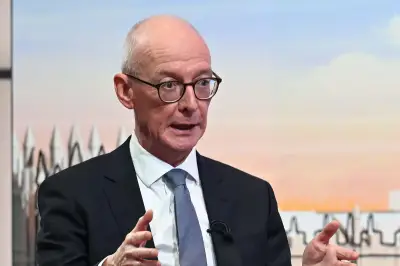
Quizzed on whether dragging Brexit back into the spotlight had become toxic, Mr Burnham told Sky News: “I’m in a negotiation about improving the Brexit deal. That’s what I’m doing this week. We’ll see how it goes.
“And then we will consider whether there are options to further the relationship with the EU. And I’ll set that out later this year alongside the 10-year plan. But I don’t agree with you at all, actually, that it’s a toxic debate.”
The PM flatly denied moving the timetable, insisting: “I will set out next month what the next phase looks like. And that is exactly what I said at my conference speech.”
Johnson and Cameron Dismissed
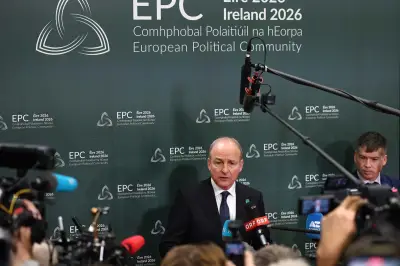
Last month, Mr Burnham told his Cabinet he hoped Friday's summit would deliver “some important, concrete steps”. In a letter to senior ministers, he added: “Beyond it, we will need to consider the UK's long-term relationship with the EU as part of our 10-Year Plan.”
The PM also slammed David Cameron, who also broke cover to warn against forging closer ties with Brussels. Dismissing the interventions from both Mr Cameron and Mr Johnson, Mr Burnham said: “You can quote whomever you like, but I just don’t think he’s an authority on these matters.”
“He [Johnson] left us with a bad Brexit deal that has led to Britain losing more than it's gained… I’m afraid I’m not going to listen to Boris Johnson on this particular matter. He burned bridges and created a lot of bad feeling,” Mr Burnham added. “And consequently Britain has suffered as a result of that, it is right to build back and get a better, more constructive working relationship with our biggest market. And why wouldn’t I do that?”
Red Lines and Referendum Legacy
However, when grilled on whether he would go as far as putting rejoining the EU back on the table, Mr Burnham remained tight-lipped. He said: “All I’m going to do is look at what options might be available. And so that people can see the pros and cons, but will set those out, in due course. There’s no rush to do that.”
According to Mr Burnham, Labour’s 2024 manifesto red lines - which rule out a return to the single market, the customs union, or freedom of movement - will remain in place until the next General Election. Insisting voters will have the final say on any major shifts, the Prime Minister said: “[The] British public will be in charge of whatever comes next.”
Britain’s departure from the bloc followed the historic June 2016 referendum, in which the country voted to Leave by 51.9% to 48.1%. Boris Johnson’s subsequent Brexit deal was built on two key treaties: the 2019 Withdrawal Agreement and the 2020 Trade and Cooperation Agreement. Together, the pacts settled the terms of the UK's exit, including a £30billion financial settlement, protections for existing citizens' rights and arrangements that keep Northern Ireland aligned with EU goods rules to prevent a hard border on the island of Ireland.
Under the terms of the trade deal, Britain formally left the EU single market and customs union, ending automatic freedom of movement and the European Court of Justice's (CJEU) jurisdiction in the UK. While trade in goods remained tariff-free and quota-free, British businesses faced new customs checks and the UK secured an increased share of fishing quotas in British waters.