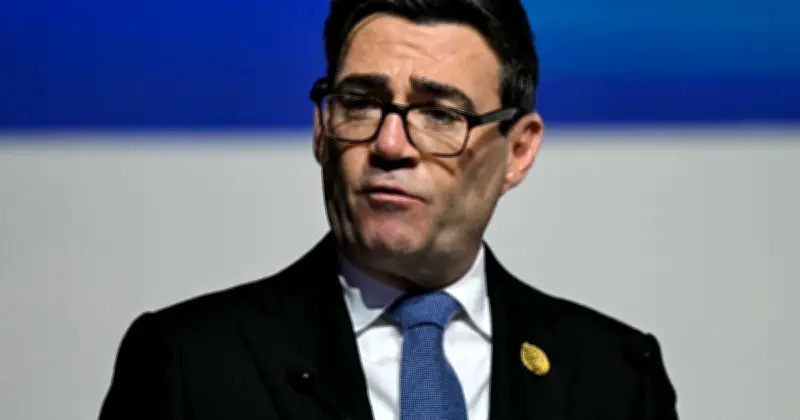
Prime Minister Andy Burnham's plans to reshape Britain's relationship with the European Union could give Brussels influence over 84% of British taxes, according to a new report from the anti-EU campaign group Stay Out.
The group estimates that 25% of British taxes would be directly governed by EU legislation, with a further 59% falling under the influence of European Court of Justice rulings. It warns the changes could severely restrict future Chancellors' ability to make independent decisions on taxation, including measures affecting household bills, motorists and businesses.
Concerns over VAT and duty-free shopping
Among the concerns raised is the possibility that Britain would lose the freedom to cut taxes on petrol and diesel beyond the standard rate of VAT. The report also claims duty-free shopping for British travellers visiting EU countries would be scrapped, while the 20% VAT imposed on private school fees would have to be removed.
Perhaps most significantly for households struggling with the cost of living, Stay Out warns that EU membership could force the Government to change the VAT treatment of domestic energy bills. The Government removed VAT from domestic electricity bills in October as part of a temporary measure intended to ease pressure on household finances. The cut is due to run until June 2027.
However, EU rules generally require reduced VAT rates to be at least five%, with the European Commission setting out restrictions on which goods and services qualify for reduced rates. Stay Out argues that Britain would therefore have to abandon the zero-rating measure if it rejoined.
Summit and political divisions
The warning comes as Mr Burnham prepares for a major UK-EU summit in Brussels on Friday, where closer cooperation is expected to be discussed. The Prime Minister has increasingly opened the door to reversing Brexit, having previously suggested Britain could eventually return to the bloc.
Speaking to the BBC in September, he said the country could remain outside the EU, pursue a customs union, join the single market or "go all the way" by rejoining. He subsequently said he wanted an honest discussion about the consequences of Brexit, arguing that Britain's departure had weakened the economy and its ability to control immigration.
In an interview last month, Mr Burnham said: "In my lifetime I would like to see that happen", referring to Britain rejoining the EU. However, he insisted he would not move ahead of the public and said voters would ultimately decide the country's future relationship with Brussels.
His latest comments have also reignited divisions within Labour, with former deputy prime minister David Lammy calling on the Prime Minister to make rejoining the EU an explicit election commitment. Writing in The Times, Mr Lammy said: "Burnham's Labour should go into the next election clear that its intention is to rejoin the EU."
He argued that winning the election would give Labour a mandate to begin formal negotiations, with the eventual agreement then put to a public vote. Mr Lammy claimed full membership would deliver greater economic growth, security and international influence than simply joining the single market or customs union. He also suggested Britain could negotiate to remain outside the Schengen passport-free travel area and the single currency.
Red lines and public vote
Mr Burnham has nevertheless insisted that Labour's 2024 manifesto commitments remain in place before the next election. These ruled out rejoining the EU, the single market and customs union, as well as restoring freedom of movement.
Speaking on Monday, he said any agreement reached at Friday's summit would have to respect those red lines, improve the existing Brexit deal and benefit communities across Britain. He added that discussions about Britain's longer-term relationship with Brussels would begin after the summit, with options presented to the public at a later date.
Oliver Lewis, chairman of Stay Out, said: "Rejoining the EU would hand Brussels a say over 84% of the taxes families pay, with 27 foreign countries holding a veto over any change a British Chancellor wanted to make."
"Before Andy Burnham goes any further, he owes the public a straight answer about who would really be setting their taxes, and whether he is prepared to put VAT back on electricity bills to rejoin."
The group says its figures demonstrate the potential consequences of returning to the bloc, although its estimate includes taxes potentially affected by European Court rulings rather than taxes directly set by Brussels.