A mother-of-two who took up bodybuilding at 40 is among a growing number of women using the sport to ease perimenopause symptoms, medical experts say. Danielle Cooper, 44, from Southport, Merseyside, began lifting weights after hearing it could temper her symptoms, which included brain fog and fatigue. She has since won multiple medals and says she feels healthier than she did a decade ago.
From Symptoms to Stage Success
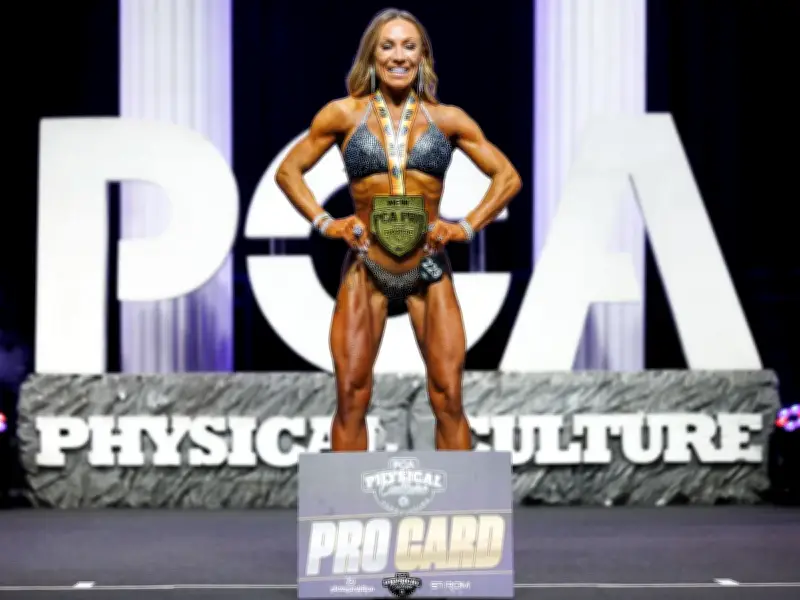
Danielle, who has two daughters, Sienna, 13, and Saffiah, 8, with her husband Wayne, said: “I’ve won seven golds and a PCA Pro Card this year, which is like the holy grail of bodybuilding. But, even better than any title, is how bodybuilding has made me feel. At 40 I had debilitating symptoms of perimenopause, like brain fog, fatigue, lack of focus and night sweats. Now, at 44, they’ve gone - I feel better than I did in my 30s.”
Medical experts note that more women have turned to bodybuilding in the last decade, with managing menopausal symptoms a key factor. Dr Brendon Stubbs, a physiotherapy researcher at King's College London, said: “It makes a lot of sense that women are taking up lifting around menopause. Once oestrogen drops, muscle and bone start going quicker and lifting weights is the best way we have to hold on to them. We've got decent trial evidence on hot flushes. A Swedish study had women lift three times a week for 15 weeks, and their hot flushes dropped by about 44%.”
Evidence Behind the Benefits
The Swedish study found that consistent resistance training improves the body's internal thermostat. Researchers at Linköping University found that strenuous lifting stimulates the release of endorphins in the central nervous system, which stabilises the hypothalamus, the brain's core temperature regulation centre.
Dr Stubbs added: “The women who didn't train saw no change at all. If you can't take HRT, or don't want to, that's worth knowing. Lifting helps with low mood too. There are over 30 trials on this now, and people who do strength training report fewer depressive symptoms. Low mood and poor sleep are really common around menopause, so that matters.”
A Personal Turning Point
Danielle, who is 5ft 3in and a size 6, said her 40th birthday was a turning point. She explained: “I wasn’t feeling great. I was perimenopausal and going through the motions of life. I knew something needed to change. I wanted to do something just for me.” After finding a local trainer, she entered her first competition in secret in autumn 2024, coming fifth and falling in love with the sport.
In 2025, she entered a second competition and triumphed. She said: “I won my class and went on to come third in the universe. Not bad for a beginner! And not bad for a perimenopausal mum, either.” This year, she has competed across two federations, winning three British titles, seven golds and one PCA Pro Card. She now aims to compete in a Universe Pro show kicking off in May 2028, saying: “I plan to take the crown.”
Expert Advice on Starting Strength Training
Dr Stubbs shared everyday ways to start strength training, noting: “You don’t have to be a bodybuilder to reap the benefits in menopause. Anyone can start using strength training to reduce symptoms.” His tips include doing squats, sit-to-stands from a chair, press-ups against a worktop, and lunges; aiming for two or three sessions a week; making the last few reps a struggle; and carrying heavy shopping bags or parking further away. He added that in the trials, women saw changes after about 15 weeks.
Dr Nighat Arif, resident doctor on ITV's This Morning and author of The Power of Menopause & Midlife, said bodybuilding and weight training benefit women facing perimenopause and menopause. She explained: “It's important to understand exercise isn’t a magic fix for menopause, but it can help with some of the things that make it feel so hard, such as poor sleep, low mood and tiredness. It’s about feeling better in yourself.” She also noted that movement doesn't have to mean a punishing workout, adding: “A walk, a swim or some strength exercises all count. Find something you enjoy and can keep coming back to.”