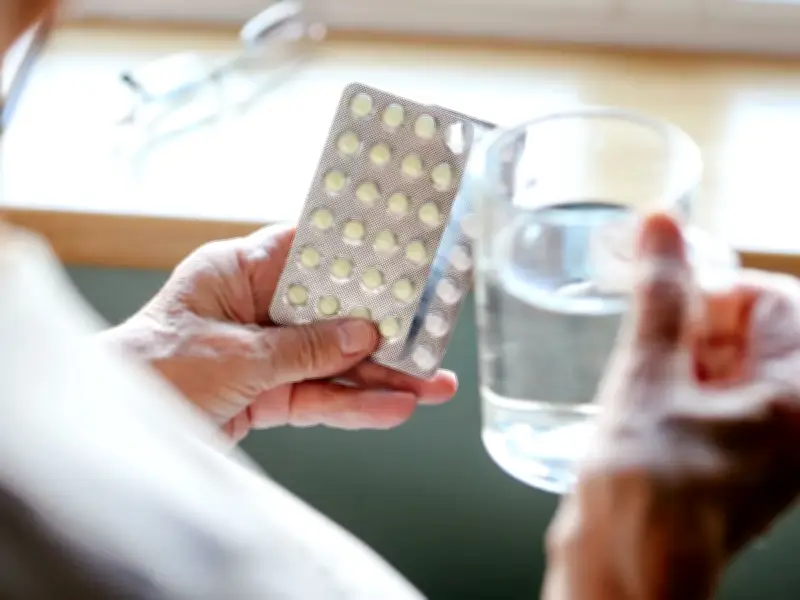
A large-scale study published in The Lancet Psychiatry has ranked antidepressants by their effectiveness in keeping patients free of depression symptoms over time. Escitalopram, sold under brand names such as Lexapro or Cipralex, came out on top for preventing relapse.
Researchers examined 54,231 health records and 115 studies involving more than 50,000 patients aged 45-53 of both sexes. The analysis focused on long-term outcomes and ranked the drugs according to their performance.
Study Findings and Drug Rankings
In a study involving nearly 10,000 people prescribed different medications for up to a year, escitalopram was most effective at preventing relapse. Agomelatine and duloxetine ranked next, while prozac, also known as fluoxetine, placed just below them.
The researchers said: "Antidepressants can differ in their efficacy for achieving sustained response and in their acceptability. These findings can inform the shared decision making for patients, prescribers, and carers in real-world practice. However, more head-to-head comparative studies are needed to provide reliable information about long-term effects of all licensed antidepressants."
Escitalopram, duloxetine and agomelatine showed higher sustained response rates than fluoxetine. Bupropion and reboxetine showed lower sustained response rates against four other antidepressants in the league table of pairwise comparisons.
Expert Reactions and Context
Experts stress the findings do not mean everyone with severe depression should switch to escitalopram, or that other antidepressants are not effective, because all the drugs can work and each has its pros and cons.
Prof Eric Ruhé at Radboud University in The Netherlands said: "Our study can help inform the decisions that prescribers and patients make together: if you start an antidepressant, choose one that not only helps you to get well, but also keeps you well."
Dr Sameer Jauhar, an expert at Imperial College London, said while the research provided useful information, "it cannot tell us which antidepressant will work best for an individual patient." He added: "I would not interpret these findings as a reason for someone who is responding well to their current antidepressant to change treatment."
Prof Allan Young from the Royal College of Psychiatrists said: "While some medicines appear to have a small advantage over others for longer-term outcomes, the differences are modest and are unlikely to outweigh individual factors such as side effects, previous response and patient preference when deciding on treatment."
UK Prescribing Context
In the UK, about 1 in 6 adults experience a common mental health problem like depression or anxiety in any given week. In England, 92.6 million antidepressant medications were prescribed to an estimated 8.89 million identified patients. Around 70,000 under-18s in England receive antidepressant prescriptions annually.
Escitalopram is a prescription antidepressant belonging to a family of drugs called SSRIs (selective serotonin reuptake inhibitors). It works by increasing the amount of a natural chemical called serotonin in the brain, which helps regulate mood, sleep, and emotional balance. Common side effects include nausea, headache, dry mouth, fatigue, trouble sleeping, and sexual dysfunction.
Like all medicines, escitalopram can cause side effects, including sleep problems, constipation and weight gain, although not everyone experiences them. The NHS says if escitalopram or a similar SSRI is ineffective or not suitable, doctors may suggest a different type of antidepressant, such as an SNRI. Older tricyclic antidepressants, such as amitriptyline, are now less commonly prescribed.
The mental health charity Mind said: "Taking antidepressants may help to lift your mood. This can help you feel more able to do things that don’t feel possible while you’re depressed. This may include using other types of support for your mental health. Speak to your doctor if you don’t feel any benefit after taking an antidepressant regularly for two to four weeks, or if you feel worse. It’s possible that a different antidepressant might suit you better."