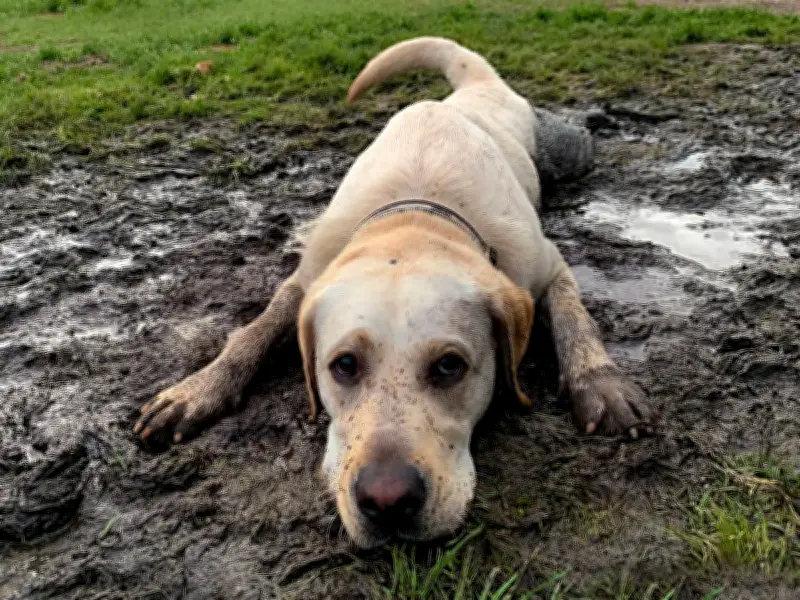
Veterinary professionals are urging dog owners to be aware of the dangers that woodlands, forests and parks may pose in the coming months, including deadly parasites and uncommon illnesses, as temperatures drop and rainfall increases. Dog owners in particular are being cautioned about the hazards of exercising their pets in damp and muddy environments.
How could cleaning your dog save their life?
Veterinary surgeon Dr Tom Evans BSc (Hons), BVSc (Hons), GPCert (SAM), MRCVS, Branch Partner at Medivet St Helens, has highlighted a rare fatal condition and outlined five autumn walking hazards to watch out for, helping dog owners stay alert as the seasons transition.
"Taking time to clean your dog properly after autumn walks could save their life and stop health issues from developing," Dr Tom Evans stated. "It is believed that Alabama Rot, otherwise known as Cutaneous and Renal Glomerular Vasculopathy (CRGV), a rare disease affecting dogs, may be linked to wet and muddy walks.
"Whilst Alabama Rot lacks long-term clinical research and the exact cause is unknown, cases have been linked to countryside walks in the UK, with research ongoing. The disease causes skin ulcers to develop and ultimately leads to kidney failure, so it's important to clean up your dog after a wet or muddy walk."
According to People's Dispensary for Sick Animals, the majority of dogs that contract the illness have recently been exercised in rural areas, woodland or muddy settings, especially between November and May. Vets remain uncertain about the precise trigger within the mud.
Walking through muddy terrain doesn't guarantee your dog will contract the disease, with the vast majority of dogs enjoying muddy walks remaining perfectly healthy.
What symptoms should you watch out for?
Symptoms to watch out for include painful skin lesions; sores, ulcers or fur loss, usually around the paws and lower legs, face, mouth, tongue and lower body; loss of appetite; tiredness and lethargy; and vomiting. After three days, signs of kidney failure such as increased thirst and urination, having a lower appetite and losing weight, will appear.
The vet advises that, should your dog become caught in rainfall, you should always rinse them down before drying them completely with a towel, since warm, moist fur provides an ideal environment for bacteria and infection to flourish. He notes this problem typically occurs below the knee or elbow, so pay particular attention when cleaning their legs and paws initially.
Why is it important to stay vigilant with slugs and snails?
The vet explains that lungworm is a parasite which can prove fatal for dogs. Frequently contracted from infected slugs and snails during damp, autumn walks, it's advisable to keep your dog nearby and prevent them from foraging beyond your view.
He said: "Cases of the disease can significantly vary depending on your location, so I'd also advise that you talk to your vet about the prevalence of risk of the disease in your area to determine the appropriate form of parasite control needed for your pet."
What other autumnal toxins are there?
"Conkers and acorns are common around woods, forests and parks in the UK, but they can pose a huge risk to dogs," Dr Tom Evans said. "Not only can conkers block your dog's airways, but they also contain a chemical called aesculin, which can cause internal damage if eaten.
"Acorns are also toxic to dogs due to the presence of tannic acid, which can cause stomach upset and diarrhoea. In severe cases, acorns can even cause internal damage and kidney disease.
"Piles of wet leaves are a perfect breeding ground for mould and bacteria, which can make your dog seriously ill. Keep an eye on your dog when the leaves have dropped to prevent them from sniffing around big piles. If you think your dog has consumed any of these toxins, contact your vet immediately."
Why should you exercise caution near gardens?
Dr Tom Evans noted that snails and slugs are a frequent nuisance for gardeners during autumn, leading many enthusiastic horticulturalists to resort to slug pellets to eliminate them. Slug pellets are harmful to dogs, containing metaldehyde, which can trigger tremors and convulsions, and are typically fatal without prompt treatment, so always consult your vet at the first indication of illness.
He added: "Keep your dog on the lead when strolling near gardens of people you don't know to reduce the risk and always ensure that you are not using these pellets in your own garden to help keep your pet safe."
Can remaining visible make a difference?
Dr Tom Evans said: "As the sun begins to set earlier, ensure you and your dog are visible if you're heading out in the dark. Wear brightly coloured clothing and put a high-vis coat on your dog to ensure you can be spotted when crossing the road. Light-up collars that flash make your dog impossible to miss are also a good option. Finally, remember to never let your dog off the lead in the dark, as they can be difficult to spot and get easily disorientated in low visibility."