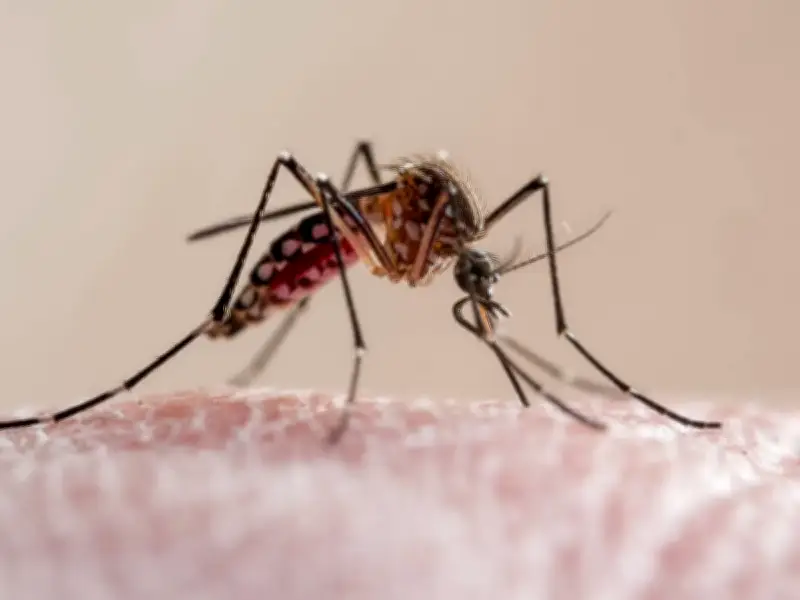
The UK Health Security Agency (UKHSA) has issued a reminder to those heading abroad that a single bite can be sufficient to contract a potentially fatal illness. The alert relates to malaria, a severe disease transmitted by mosquitoes that is particularly prevalent across many tropical regions of the world.
UKHSA warning on social media
In a post shared on X on Tuesday, the UKHSA said: "Malaria is a serious illness spread by mosquitoes, and you can catch it from a single bite." It urged holidaymakers to visit TravelHealthPro to check country-specific advice before jetting off.
According to the NHS, malaria is caused by the bite of an infected mosquito, and advises travellers to check the risk level for their particular destination beforehand. Those travelling to areas where malaria is present are encouraged to seek guidance from a GP, nurse, pharmacist or travel clinic, ideally four to six weeks prior to departure.

Risk varies by destination
TravelHealthPro, which supplies travel health information for UK travellers, describes malaria as a serious and potentially life-threatening disease transmitted through the bite of an infected female mosquito. It notes that the disease is widely distributed throughout tropical regions, with the African region accounting for the majority of cases.
The level of risk varies not just between countries, but also within different regions of the same country. TravelHealthPro offers destination-specific advice, including details on malaria risk and recommended preventative measures, so travellers ought to check the guidance relevant to their precise destination.
Prevention and symptoms
For certain travellers, antimalarial tablets may be advised to lower the chances of infection. The NHS states that the medication required depends on the country being visited and that professional advice should be sought prior to departure. Protecting yourself against mosquito bites is another crucial element of staying safe. UK malaria prevention guidelines recommend that bite avoidance measures should be used in conjunction with any prescribed antimalarial medication, with travellers urged to take suitable precautions based on where they are headed.
Malaria can also deteriorate rapidly if it goes unrecognised and untreated. TravelHealthPro advises that anyone who develops a fever or flu-like illness during or after travel to a malaria-risk area should seek medical attention without delay and inform healthcare professionals of their travel history. The NHS likewise recommends seeking urgent medical advice should you develop symptoms of malaria after returning from a country where the disease is present. Symptoms can include a high temperature, headache, sweating and chills, and the NHS warns that malaria can be extremely serious if it is not diagnosed and treated promptly.