The UK Health Security Agency (UKHSA) has issued the first cold-health alert of the 2026/27 winter season, urging residents in parts of England to check on their neighbours.
The yellow cold-health alert, announced on Tuesday, November 10, covers the North West and West Midlands. It runs from 9am on Thursday, November 12 until 12pm on Saturday, November 14.
Who is most at risk
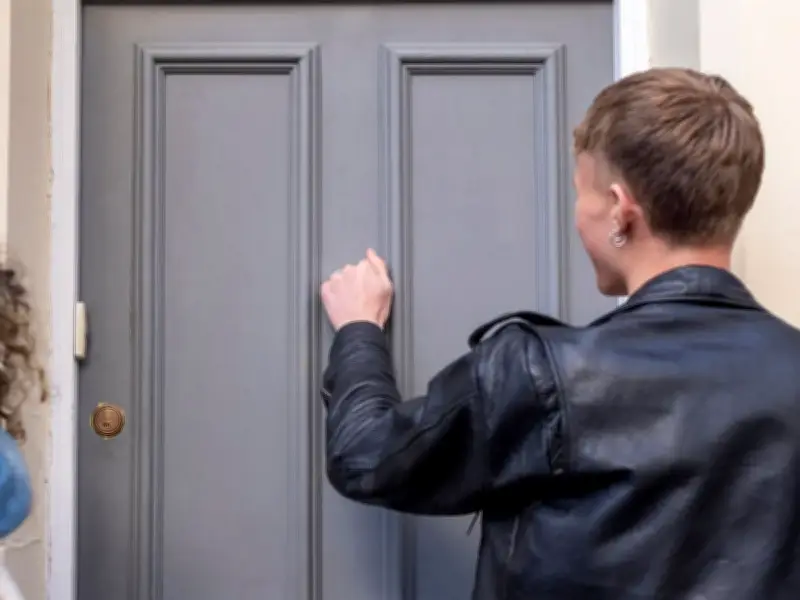
People in these areas are advised to "check in on friends, family and neighbours who are most vulnerable". Low temperatures may lead vulnerable people to use health care services more often and can increase health risks for adults aged 65 and older, people with existing conditions such as respiratory or cardiovascular diseases, and other at-risk groups, including people sleeping rough.
According to the Weather Health Alerting system, launched by UKHSA and the Met Office, yellow cold-health alerts can be issued during hot or cold spells that are unlikely to affect most people but may put those who are especially vulnerable at risk.
Steps to take when checking in
NHS-backed advice includes checking that a neighbour's indoor space is warm, verifying food and medicine supplies, offering practical errands, and watching for warning signs.
Residents are advised to make sure heating is working properly and that the rooms used most are heated to at least 18°C. They should ask if neighbours have enough groceries, warm drinks, and prescription medications so they do not have to go out in the cold.
Offers to pick up shopping, collect prescriptions, put bins out, or grit icy paths outside homes can help. People are also urged to look out for uncollected post, closed curtains during the day, or signs that someone seems unusually drowsy, confused, or unwell.
Official advice and emergency guidance
Dr Anya Gopfert, Consultant in Public Health at UKHSA, said: "This is the first cold-health alert of the winter, but we can expect more as we move further into the season. Cold weather can have a serious impact on the health of some people, including those aged 65 and over and those with pre-existing health conditions, so it is vital to check in on friends, family and neighbours who are most vulnerable."
She added: "We're also reminding people to take simple steps to stay warm and look after their health as temperatures begin to fall. Keeping homes heated where possible and dressing warmly can help people stay safe and well during colder weather."
If someone is worried about a neighbour's health or suspects mild hypothermia, they should contact NHS 111 or a local pharmacist for guidance. If someone is difficult to wake, suddenly confused, struggling to breathe, or showing signs of severe cold exposure, they should call 999 immediately.