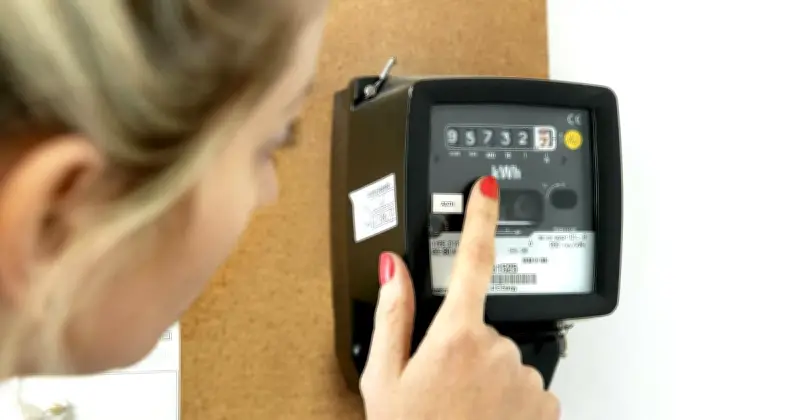
Households without smart meters are being urged to take a photo of their energy meter and submit a reading before Thursday to avoid overpaying on their bills from next month. Ofgem's energy price cap will rise by 4% from October 1 for a typical dual fuel household in England, Scotland and Wales, with the increase set to add an extra £60 per year to the average bill.
From Thursday, the average household paying by direct debit for gas and electricity will reach £1,723 per year if this level is sustained over 12 months. Ofgem said the increase reflects higher wholesale gas prices due to the ongoing conflict in the Middle East, and early forecasts suggest that bills will rise even higher from January.
Increase coincides with colder weather
The increase comes just as cooler temperatures prompt many households to switch on their central heating, with homes on a standard tariff and average usage expected to spend £145 on energy in October, compared with £109 in September.
Ahead of the change on Thursday, energy price comparison and switching service Uswitch is urging households without smart meters to submit a meter reading before the price cap increase to avoid paying higher prices from October.
Millions of households affected
According to Uswitch, more than four million households that remain on a standard energy tariff need to send in meter readings to ensure their energy use isn't charged at October's new, more expensive rates. It is best to do this before or on October 1 to ensure that you are charged the correct amount, and it's a good idea for households to submit regular meter readings to avoid over- or underpaying.
Ben Gallizzi, energy expert at Uswitch, said: “Submitting a meter reading, if you don’t have a smart meter, before or on Thursday October 1 will ensure the energy used is charged at the correct rates and not estimated by a supplier.
“That same deadline applies for the 15 million households on standard tariffs wanting to beat the hike entirely by locking in a lower-rate fixed deal before energy costs rocket for winter.”
Advice from MoneySavingExpert
MoneySavingExpert (MSE) also recommends taking a photo of your meter once you've taken a reading, that way you have evidence of the correct reading in case there are any issues with the amount you're charged.
MSE said: “If you have smart meters that are working properly in smart mode, so they're regularly sending meter readings to your provider, there's no need to do anything, as they do it automatically.
“You may want to double-check your meters are sending reads, though. You can usually see this in your account or on your bill. You can also take a photo of your meters on the day, so you have the readings for safety.”
The price cap limits the amount an energy supplier can charge for units of gas and electricity and it also impacts the standing charge, which is a daily cost per fuel type set by Ofgem. Ofgem changes the price cap for households every three months, in January, April, July and October, largely based on the cost of energy on wholesale markets.
Analysts Cornwall Insight are predicting the price cap will hit £1,872 per year from January to March, up 9% on October's level.