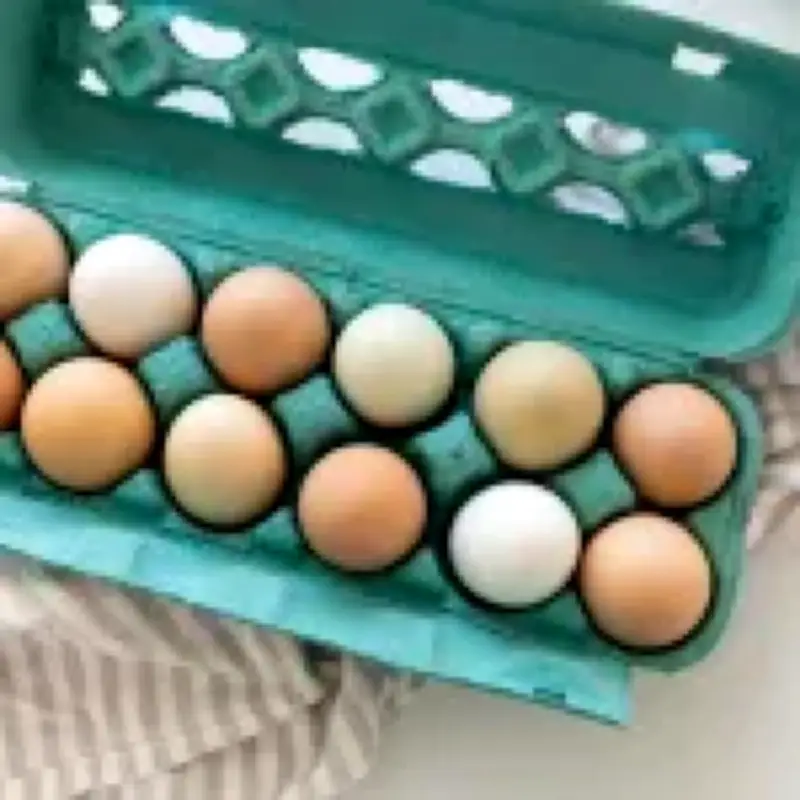
The UK Health Security Agency (UKHSA) has confirmed that two people have died and almost 500 cases of salmonella food poisoning have been reported across the UK. More than a third of the 474 people affected by the outbreak, which dates back up to a year, required hospital treatment.
Eggs safe to eat, but caution advised
UKHSA has confirmed that 'there is no identified link to UK-produced eggs or poultry.' The agency said the outbreak 'may be linked to eggs imported from outside of the UK,' as recent cases have all been linked to almost genetically identical bacteria, suggesting a common food source.
Food Standards Agency (FSA) spokesperson Prof Ian Young commented: 'We continue to work closely with the UK Health Security Agency and other partners to investigate. The exact causes of these outbreaks have not yet been identified, but investigations so far have identified links to imported eggs.'

Pharmacist Thorrun Govind told Metro: 'The outbreak doesn't mean you need to stop eating eggs.' However, she advised being more mindful about which eggs to buy. 'For vulnerable groups such as those who are pregnant, it is important to look for eggs that have the red British Lion stamp or are produced under the Laid in Britain scheme,' she said, citing strict salmonella vaccination protocols for farms registered under these frameworks.
How to reduce the risk of salmonella
Practicing good food hygiene is essential. 'Salmonella is a bacteria so this really matters,' Thorrun explained. 'Wash your hands after handling raw eggs and don't forget to clean work surfaces and utensils.' She also advised cooking eggs correctly, following instructions regarding time and temperature, and keeping 'raw foods away from foods that are ready to eat.'
The Food Standards Agency recommends further practices: avoid cross-contamination, chill food below 5°C, consume food by the 'use by date,' ensure food preparations are clean, and wash hands regularly with soap and water.
What to do if you think you have salmonella
Most people can manage salmonella infection without seeing a doctor. UKHSA recommends staying at home, drinking plenty of clear fluids, eating when able (avoiding fatty or spicy foods), taking paracetamol if in discomfort, and avoiding fruit juice or fizzy drinks. A pharmacist can offer initial advice for dehydration or for those in higher risk groups.
If dehydration doesn't improve with rehydration sachets, you can't keep fluids down, have bloody diarrhoea, or have diarrhoea that doesn't reduce in three days, call 111. The health agency adds: 'Call 999 or go to A&E for more serious symptoms, such as vomiting blood, a sudden severe headache or tummy ache, breathing difficulties, confusion, or blue, grey, pale or blotchy skin.'