One in three adults in England is believed to have high blood pressure, which puts strain on the heart and arteries and can lead to strokes, heart attacks and other health problems. According to Blood Pressure UK, high blood pressure is the third biggest risk factor for all disease in the UK, after smoking and poor diet.
The charity explains: "High blood pressure is responsible for more than half of all strokes and heart attacks. High blood pressure is also a risk factor for heart disease, kidney disease and vascular dementia." It warns: "Half of people with high blood pressure are not diagnosed or receiving treatment. In England alone, there are more than five million people that are undiagnosed."
"High blood pressure rarely has any symptoms which is why it is called the 'silent killer'. The only way to know you have the condition is to get your blood pressure measured."

Pharmacist shares eight myths
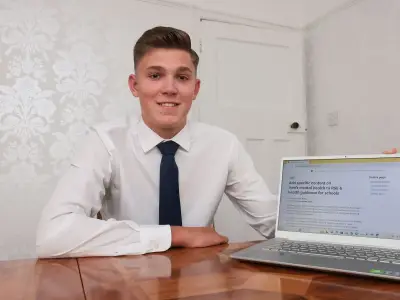
Pharmacist Raj R Patel has taken to TikTok to dispel key myths around the condition and explain what to do to avoid unknowingly being at risk. Posting as Pharmacist Health Raj, he warned people who think they would know if their blood pressure was high: "Unfortunately, you probably wouldn't."
He said: "High blood pressure — hypertension — usually has no obvious symptoms. That is one reason Blood Pressure UK's 2026 Know Your Numbers! Week message is: 'You know your age, do you know your numbers?'" The campaign, running this week until September 13, aims to remind adults from their 20s through to their 80s that undiagnosed high blood pressure can occur without obvious warning signs.
Myths cleared up
The pharmacist has shared eight blood-pressure myths which he says are "worth clearing up".
On the myth that high blood pressure always gives you headaches, he says: "Usually, it doesn't. Most people with hypertension have no symptoms at all. You cannot reliably judge your blood pressure by how you feel."
On the idea that one high reading means you have hypertension, he explains: "Not necessarily. If clinic blood pressure is 140/90 mmHg or higher, NICE recommends repeat measurement and, for most readings between 140/90 and 180/120, confirmation using 24-hour ambulatory monitoring (ABPM) or properly performed home monitoring."
Blood pressure changes with age, health, lifestyle and time. "A reassuring reading today does not guarantee your blood pressure will always remain normal," he says.
Measuring and managing blood pressure
"Technique matters," says the pharmacist. "NICE says measurements should be taken in a relaxed setting with the person quiet and seated, their arm supported and the correct cuff size used."
Home blood-pressure machines are not useless. "Proper home readings can be extremely useful," he says. "NICE specifically recommends home blood-pressure monitoring (HBPM) when 24-hour monitoring is unsuitable or not tolerated, and it can help identify white-coat or masked hypertension. For diagnosis, NICE recommends 2 readings at least 1 minute apart, morning and evening, for at least 4 days and ideally 7. Day 1 is discarded and the remaining readings are averaged."
Age increases risk — but younger adults are not immune, says the pharmacist. "Blood Pressure UK's 2026 campaign deliberately says: 'You know your age, do you know your numbers?' and encourages adults across the age range to get checked."
"I feel healthy, so I don't need my blood pressure checked" — "That is exactly why hypertension can remain undetected," says Raj. "The NHS says there are usually no symptoms, yet untreated high blood pressure can increase the risk of heart attack, stroke, heart failure, kidney disease and vascular dementia."
Medicine is not the only way to lower blood pressure. Depending on blood pressure and overall cardiovascular risk, management may also involve losing excess weight, reducing salt, regular physical activity, moderating alcohol, stopping smoking and improving overall diet. Medication is added when clinically appropriate — for example when blood pressure is very high, cardiovascular risk is increased, or lifestyle measures alone have not achieved sufficient control.

What numbers matter?
In the UK, blood pressure is generally considered high at 140/90 mmHg or above in clinic, or 135/85 mmHg or above when averaged at home. He adds: "Don't wait for high blood pressure to introduce itself. Know the number first. Measure properly. Confirm the pattern. Treat the risk."
According to the NHS, high blood pressure is very common, especially in older adults. It advises: "There are usually no symptoms, so you may not realise you have it." Things that increase your chances of having high blood pressure include your age, having close relatives with high blood pressure, your ethnicity (higher risk if you have a Black African, Black Caribbean or South Asian ethnic background), an unhealthy diet high in salt, being overweight, smoking, drinking too much alcohol, and feeling stressed over a long period.
It adds: "High blood pressure does not usually cause any symptoms. Many people have it without realising it. Rarely, high blood pressure can cause symptoms such as headaches, blurred vision, chest pain. But the only way to find out if you have high blood pressure is to get your blood pressure checked."