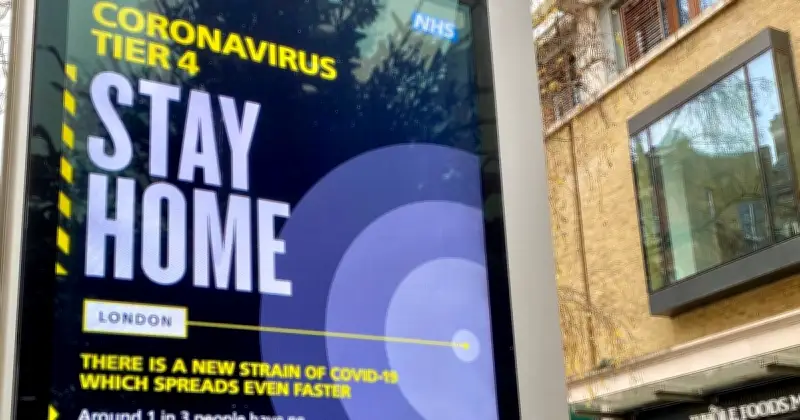
The NHS has outlined when people should stay at home if they catch any strain of coronavirus, as the American Covid variant, also known as XFG or Stratus, drives a sharp rise in infections. Cases have more than doubled, while hospital admissions have increased five-fold.
Sharp rise in cases and admissions
According to the UK Health Security Agency (UKHSA)'s latest monthly figures, cases in September rose by 230% compared to August, from 1,374 to 4,589. Hospital admissions also climbed from 950 to 4,939, a 420% month-on-month increase.
The UKHSA reported that the rate of positive Covid tests in hospitals increased from 5.9% to 7%, with more than half identified as the American Covid or Stratus variant of XFG. This strain was first identified last January and has since spread globally.
NHS guidance on when to stay home
The NHS's official advice encourages people to stay at home if they have a high temperature and/or do not feel well enough to go to work or school. The guidance states: “Try to stay at home and avoid contact with other people if you or your child have symptoms and either: have a high temperature, do not feel well enough to go to work, school, childcare, or do your normal activities.”
People can return to normal activities when they feel better or no longer have a high temperature. For children with mild symptoms such as a runny nose, sore throat, or mild cough, they can attend school or childcare if they feel well enough.
Testing and isolation periods
Most people do not need to take a Covid-19 rapid lateral flow test if they have symptoms. However, if a test is taken and the result is positive, the advice is to stay at home and avoid contact with others for three days after the test for those under 18, and for five days for those aged 18 or over. People are also advised to avoid meeting those at higher risk of serious illness, such as those with weakened immune systems, for 10 days after the test.