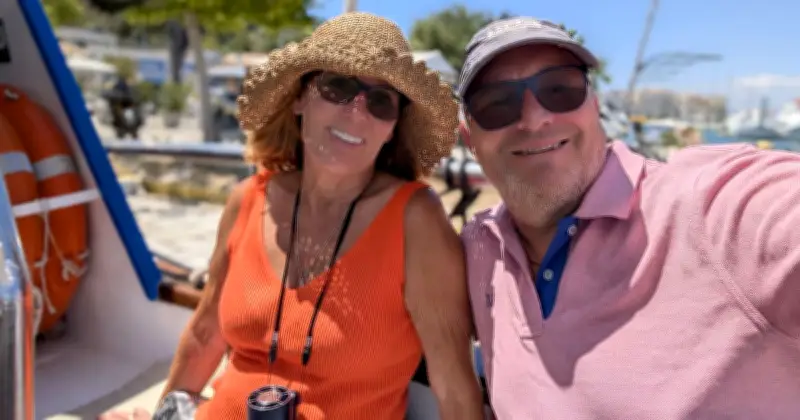
Sharon Thody, a 56-year-old mother whose motor neurone disease symptoms were initially thought to be caused by grief, is determined to leave a lasting legacy after she dies. Despite her health deteriorating rapidly, she has dedicated her remaining time to raising money for MND research.
Misdiagnosed as grief
Mrs Thody endured unimaginable heartbreak when her son Samuel was stillborn in 1998. Then, in March 2024, her son Craig died aged just 33. She began losing her voice 16 months after Craig's death, and doctors believed this was due to the trauma and grief she was experiencing, referring her for speech therapy.
But she felt something was seriously wrong and sought a second opinion. The 56-year-old was diagnosed with bulbar onset motor neurone disease (MND), a rare and particularly aggressive form of the terminal neurological condition.

Rapid decline and fundraising
Since her diagnosis, her health has deteriorated rapidly. She can no longer speak and communicates using a tablet, relies on a wheelchair due to limited mobility, and is now approaching the stage where she will require breathing support.
Despite the progression of her illness, she has completed mountain walks and boat races to raise money for MND research. At the end of August, she joined family and friends for a music showcase in a pub, organised by her son Craig's friend Jason James. Lots of bands and DJs helped to raise money for the Motor Neurone Disease Association.
Husband's pride
Mrs Thody's husband Mark said: "At first, after Sharon was diagnosed, we were shocked and very emotional, and in tears. It was very hard to be told that as obviously there's no cure and things will only get worse."
The 61-year-old added: "Then we talked about how we just want to fundraise for MND research because the more money that is raised, the more it will help people in the future." He explained that a speaker at a talk said drug companies won't make new drugs for MND because there aren't enough people with the disease to make it worth their while to invest the money.
Mark said: "If they could find a cure, they're not going to get their money back because there aren't enough people out there that actually have MND. But there are people working on research all the time, and that's what the MND Association funds, and that's why we're raising money."
He concluded: "It's a reflection of who Sharon is. She's always been a really fun person and helps other people. It makes me proud, and it's not just me. Everyone's proud of what she's done. She's got a very good network of friends, and they are very proud of her."