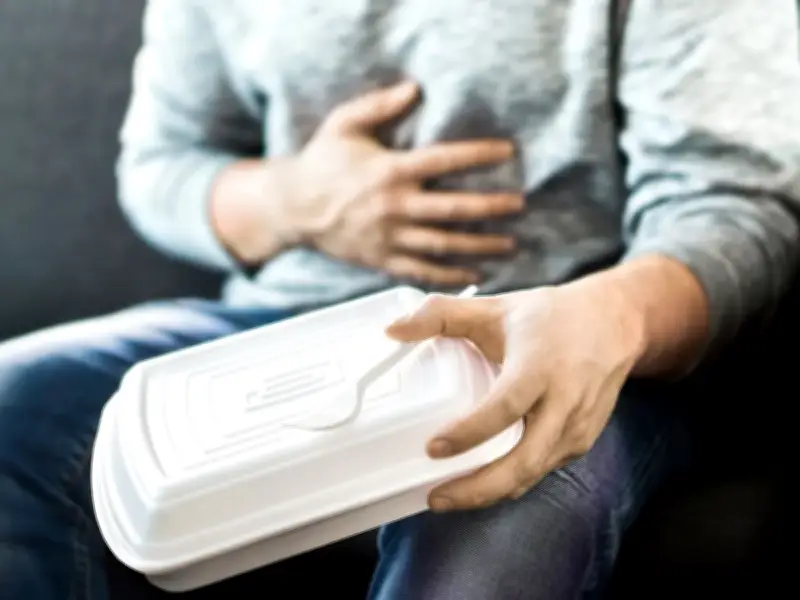
The UK is experiencing a significant Salmonella outbreak that has now affected more than 500 people across England, with evidence suggesting many cases may be linked to imported eggs. The outbreak, which has seen one person die and hundreds hospitalised, is associated with food outlets such as small cafes, restaurants and takeaways, according to the UK Health Security Agency (UKHSA). As of September 1, there have been 528 cases of salmonella enteritidis overall.
Investigation points to imported eggs
Hannah Charles, lead epidemiologist at UKHSA, said: “We continue to work closely with the Food Standards Agency (FSA) and other public health partners to investigate these salmonella clusters. Our investigation to date indicates a link to imported eggs, however this investigation remains ongoing.”
Professor Ian Young, chief scientific adviser at the FSA, said: “Infants, young children, pregnant people and older adults should only eat raw or lightly cooked eggs if they carry the British Lion mark or are produced under the Laid In Britain scheme. This advice does not apply to those who are severely immunocompromised and require medically supervised diets, who should continue to follow individual medical advice.

“If you’re eating out or buying food that contains eggs, you may not know if these carry the British Lion mark or are Laid In Britain assured. If this is the case, when eating out the safest approach for vulnerable people is to ensure they’re thoroughly cooked and to avoid dishes containing raw or lightly cooked egg, such as mousses, fresh mayonnaise or hollandaise sauce.
“As with any foodborne illness, good hygiene remains your best protection: store and cook food according to the packet instructions, wash your hands thoroughly before handling food and always after handling raw meat, poultry and eggs.”
Symptoms that set salmonella apart
Dr Donald Grant, GP and Senior Clinical Advisor at The Independent Pharmacy, said you can tell the difference, and explained how you will know when a stomach upset needs more than rest and fluids.
Dr Grant said: “Salmonella and a general stomach bug can look almost identical in the first day or two. Both tend to start with nausea, cramping and diarrhoea, which is exactly why so many cases go unrecognised until symptoms take a turn for the worse.
“The key difference is usually in how the illness develops. A typical stomach bug tends to peak quickly and then start improving within a day or two. Salmonella often follows a slightly different pattern, with symptoms that last longer before there is any sign of improvement.”
Dr Grant said: “There are a few signs that point more specifically towards Salmonella. A high temperature is one of the clearest indicators, often above 38 degrees, alongside more severe abdominal cramping than you would expect from a mild bug. Diarrhoea that contains blood or mucus is another important warning sign and should never be ignored. Persistent vomiting can be a sign that the illness is more serious, particularly if you can’t keep fluids down.
“Timing can also be a useful clue. Salmonella symptoms usually appear between six hours and six days after eating contaminated food, often eggs, poultry or unpasteurised dairy, which makes it worth thinking back over what you have eaten recently if symptoms feel unusually severe.
“Most healthy adults will recover from Salmonella at home with rest and fluids, but certain groups are more vulnerable to serious complications. Young children, pregnant women, older adults and anyone with a weakened immune system are all at higher risk of becoming seriously unwell.
“In these groups, the infection can occasionally spread beyond the gut and into the bloodstream, which is a much more serious complication requiring urgent treatment. This is why it matters so much to recognise the warning signs early rather than assuming the illness will simply pass.”
When to seek medical help
Dr Grant said: “Anyone who develops a high fever, blood in their stool or vomiting that prevents them from keeping fluids down should contact their GP, rather than waiting it out. Signs of dehydration, such as dizziness, a dry mouth, or passing very little urine, are also reasons to seek advice promptly.

“For most people, Salmonella will run its course without needing antibiotics, but it is always worth seeking medical support if symptoms are severe, if you are in a higher risk group, or if a stomach bug simply is not improving after a couple of days.”
How to reduce your risk
Dr Grant said: “Thankfully, there are some sensible precautions people can take. Make sure eggs are cooked until both the white and yolk are firm, particularly when eating out, and avoid dishes that use raw or lightly cooked egg, such as homemade mayonnaise.
“Good kitchen hygiene also makes a real difference, including washing hands thoroughly after handling raw eggs or poultry and keeping raw and cooked foods separate. These are simple habits, but they remain some of the most effective ways to protect yourself and your family while the source of this outbreak is confirmed.
“Overall, most cases of Salmonella will pass with rest and fluids at home, but the warning signs, a high fever, blood in the stool, or an inability to keep fluids down, should never be brushed off as ‘just a bug’.”