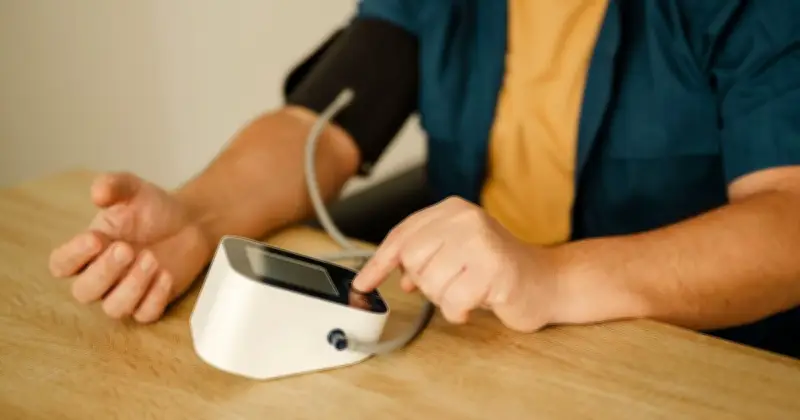
A GP has outlined seven lifestyle changes that can help reduce the risk of high blood pressure, a condition that new research suggests is becoming increasingly common, particularly among older adults. The warning comes as data indicates that only about half of people receiving treatment from their GP for high blood pressure have their condition under control.
Research reveals widespread lack of awareness
Research by the University of Oxford, involving 1.4 million adults, found that most people in England living with high blood pressure are not aware they have it, putting them at increased risk of strokes, heart attacks, and premature death. Using data from the Our Future Health programme, researchers estimated that more than one in three adults in England has high blood pressure, with 59% of them unaware of their condition.
Dr Naveed Asif, GP at The London General Practice, said: “Most people don’t even know they have high blood pressure because it doesn’t tend to cause symptoms, so it’s often referred to as a ‘silent killer’.”
Seven lifestyle changes to reduce risk
Dr Asif flagged several ways to reduce the risks by rethinking diet and exercise habits. He emphasised that making changes to your diet is “one of the biggest things you can do”. Experts often recommend following a Mediterranean diet, as it features various elements that promote good heart health.
“The Mediterranean diet comprises of whole foods, fruits, reduced saturated fats and lean meats and avoids processed foods which is great for the heart,” the GP said. Dr Asif also urges people to be aware of how much salt is in their diet. “It’s not just about the table salt you are using while cooking because typically the majority of your salt comes from eating out or processed food, so be mindful about cumulative salt content over the space of a day,” the health professional advises. “Try to see food as medicine by sticking with whole foods and go for unsalted or low salt/healthier options where possible.”
Being active has two crucial benefits: helping you to maintain a healthy weight, whilst strengthening your heart, helping it pump blood more easily and reducing pressure on your arteries. This, in turn, helps reduce your blood pressure, according to the British Heart Foundation (BHF) website. Dr Asif advises keeping it simple, saying: “I always advise my patients to incorporate some kind of movement into their lifestyle everyday, whether that be getting off the bus one stop early, or going up the stairs rather than using a lift.”
Heart rate, stress, and sleep
Dr Asif says where exercise is concerned, it's a "bonus if you can get your heart rate slightly elevated, work up a sweat and get a bit breathless". He added: “When it comes to exercise and movement, consistency over time is key.”
Stress and anxiety can also have marked impacts on physical health. Dr Asif explains that when you're stressed and anxious, "your blood pressure goes up and chronic stress can be detrimental for your health". He noted: “There’s evidence that suggests that stepping back, closing your eyes and doing some breathing exercises, or even just going for a walk where you just switch off, helps give your body time to relax. There’s also an hormonal aspect to this, as it will release hormones that will help protect your heart and blood vessels, but will also improve your mood as a result.”
Insufficient rest, or having poor-quality sleep, can also impact how your body regulates blood pressure, the British Heart Foundation says. Dr Asif stated: “When we’re so busy we don’t always prioritise good-quality sleep and we will wake up tired as a result of it. In addition, when we’re not sleeping adequately this will have a negative impact on our body and emotional control for dealing with stress the following day.” It is therefore important to "prioritise sleep and be consistent with your night time routine and with what time you go to bed," the medical expert added.