NHS Weight Loss Jab Spending Soars Four-Fold to Over £574 Million
NHS Weight Loss Jab Spending Soars to £574 Million

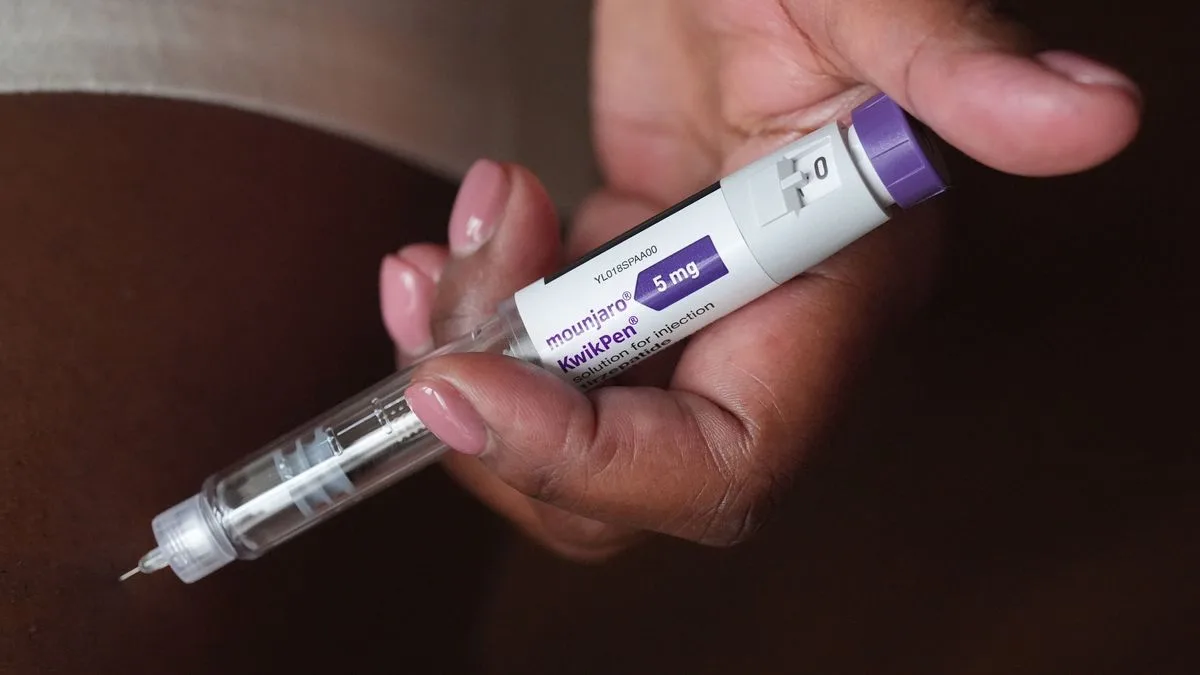
NHS spending on the blockbuster weight loss jab Mounjaro has soared four-fold over the past year, surpassing half a billion pounds and making it the most expensive drug prescribed by the health service. Prescriptions for Mounjaro, also known as tirzepatide or the 'King Kong' of fat jabs, rose from 1.1 million in 2024/25 to 3.1 million in 2025/26.

The bill jumped from £120 million, when it was the tenth most costly medicine, to £574 million over the same period. Taxpayers in England are now spending almost twice as much on Mounjaro as on the second most expensive drug, a treatment for asthma and chronic obstructive pulmonary disease.

Concerns Over Ballooning Costs

Experts have expressed concerns about the escalating expenditure, especially given that access to fat jabs on the NHS is currently severely rationed. The government intends to make these medications available to millions more patients in the coming years, which could further increase costs.

Wide Pickt banner — collaborative shopping lists app for Telegram, phone mockup with grocery list

Studies indicate that Mounjaro, also used for type-2 diabetes, can help users lose up to a fifth of their body weight in just over a year and improve overall health. The drugs watchdog NICE estimates that around 3.4 million obese people in England could benefit from treatment. However, NHS England has adopted a staggered rollout, with only about 220,000 of the most severely obese patients able to access the jabs in the first three years.

More than a quarter (28 per cent) of adults in England are obese, and a further 36 per cent are overweight. Rationing means most who wish to use Mounjaro must purchase it privately.

Taxpayer Concerns

Shimeon Lee, policy analyst at the TaxPayers' Alliance, said: 'Taxpayers will be seriously concerned that the NHS is already spending more than half a billion pounds a year on Mounjaro while ministers talk about making it available to millions more people. These drugs may have clinical benefits, but the speed at which costs are ballooning shows just how quickly one treatment can pile on huge pressure. Ministers need to be honest about the long-term costs, ensure prescribing is strictly targeted and avoid turning the NHS into an open-ended bill for lifestyle-related conditions.'

The Department of Health and Social Care announced in February that GPs will receive millions of pounds in bonuses for prescribing Mounjaro to their most obese patients. Former health secretary Wes Streeting has described weight loss jabs as a 'real game-changer'. However, Professor Sir Chris Whitty, chief medical officer for England, has warned that relying on weight-loss drugs to tackle the obesity crisis would be a 'societal failure' and emphasised the need for prevention.

Expert Opinion on Long-Term Health Outcomes

Dr Marie Spreckley, an expert in weight management at the University of Cambridge, said: 'The increase in prescribing and spending on tirzepatide reflects both the scale of obesity in the UK and the growing demand for treatments that can produce clinically meaningful weight loss. For many patients, these medications can lead to substantial improvements in weight, metabolic health and quality of life.

'However, the conversation should not focus solely on the cost of the medication itself. The more important question is whether treatment is being delivered in a way that maximises long-term health outcomes and value for both patients and the NHS. As access expands, it will be important to ensure that patients also receive appropriate nutritional, behavioural and clinical support alongside medication. Weight loss alone does not necessarily equate to optimal health outcomes. Appropriate support may help patients maintain adequate nutritional intake, preserve muscle mass and optimise longer-term health outcomes during weight loss. From a public health perspective, the goal should be to ensure that effective obesity treatment is both accessible and delivered well. The greatest return on investment will come not simply from prescribing medication, but from helping people achieve safe, sustainable and equitable health improvements over the long term.'

Pickt after-article banner — collaborative shopping lists app with family illustration

Record Prescription Numbers

The number of prescription items dispensed outside of hospital in England reached a record 1.3 billion last year, a 3 per cent increase from 1.26 billion in 2024/25. The cost of these prescribed items also hit an all-time high of £11.6 billion, a 4 per cent rise from £11.2 billion the previous year, according to the NHS Business Services Authority. Atorvastatin, commonly used to lower cholesterol and prevent heart disease, was the most dispensed medicine in 2025/26, with 78 million items.

The NHS spent £285 million last year on a combination of beclometasone dipropionate and formoterol, a therapy for asthma and chronic obstructive pulmonary disease, making it the second most costly medicine in terms of overall spend.




